

2026-06-19
A Modern Solid Wood Door starts as raw lumber. The wood has a natural color and grain pattern. The surface finish transforms the raw wood into a finished door. The finish protects the wood and changes the appearance.
Several finish types exist for Modern Solid Wood Door. Clear coatings let the natural wood show through. Painted finishes cover the wood completely with color. Stains add color while keeping the grain visible. Oils penetrate into the wood fibers.
Each finish type serves a different purpose. Some finishes highlight the wood character. Others hide imperfections in the wood. The choice depends on the door location and the homeowner's preference.
A Solid Wood Door Manufacturer offers multiple finish options. The homeowner chooses based on the desired look and the door's daily use. A Modern Solid Wood Door in a busy hallway needs different protection than a door in a quiet bedroom.
A clear coat finish has no pigment. The finish sits on top of the wood surface. The wood grain shows through clearly. The finish protects the wood from moisture and wear.
Clear coat finishes come in different sheen levels. A matte clear coat has no shine. A satin clear coat has a soft glow. A gloss clear coat reflects light. The sheen affects the door appearance and how the finish hides daily marks.
The clear coat forms a film on the wood surface. The film resists scratches and scuffs. A thicker film provides more protection. The film also slows moisture movement into the wood. The wood stays dimensionally stable.
Clear coat finishes need proper application. A manufacturer applies multiple thin coats. Each coat dries before the next goes on. The final coat cures to a hard surface. The curing process takes time and controlled conditions.
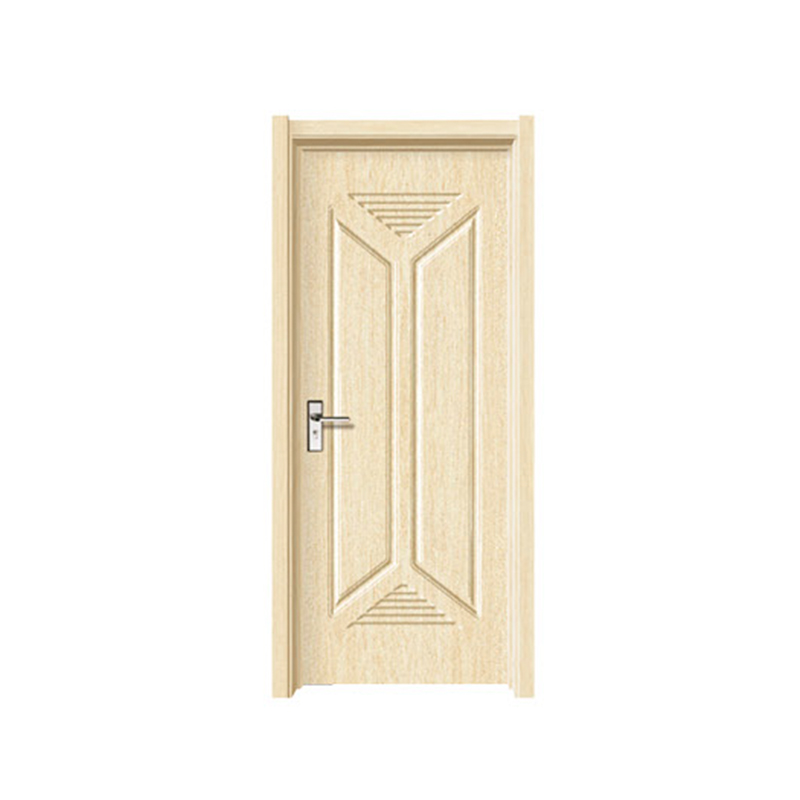
A clear coated solid wood door shows the natural wood color. The wood may darken slightly with age. The clear coat does not prevent the natural aging. The aging adds character to the door over time.
A homeowner chooses clear coat to showcase the wood. The door becomes a feature of the room. The grain pattern draws the eye. The natural look fits many interior styles.
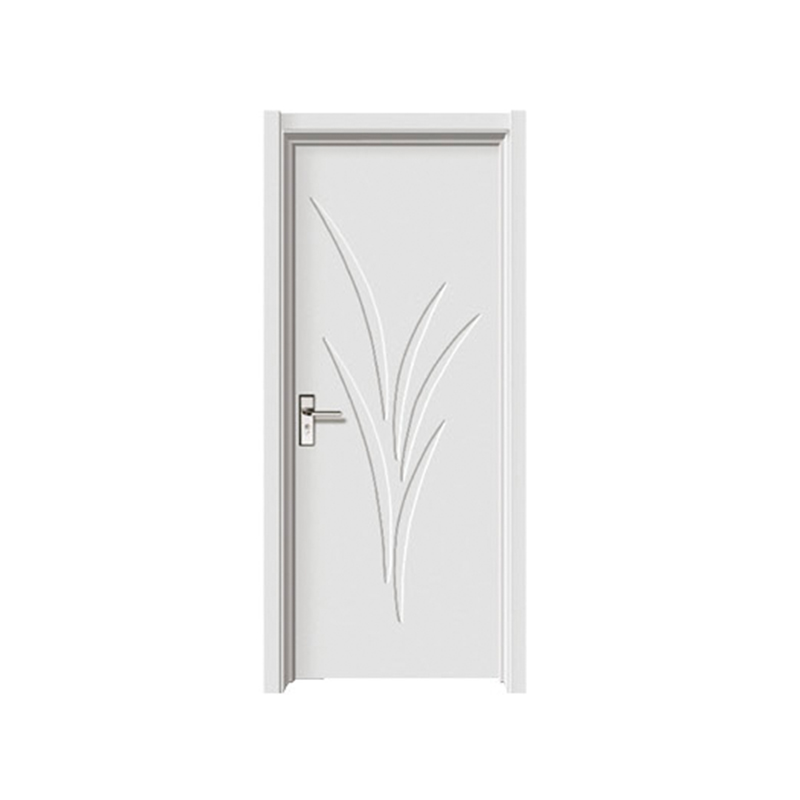
Paint covers the wood completely. The pigment in the paint hides the grain and the wood color. The door takes on the chosen color. The surface appears smooth and uniform.
Painted doors offer unlimited color choices. A homeowner selects any color from a paint fan. The color matches the room decor. The door becomes part of the color scheme rather than a separate element.
Paint hides wood imperfections. A door with knots or color variations looks uniform after painting. The paint covers any patches or repairs. A painted door has a clean, consistent appearance.
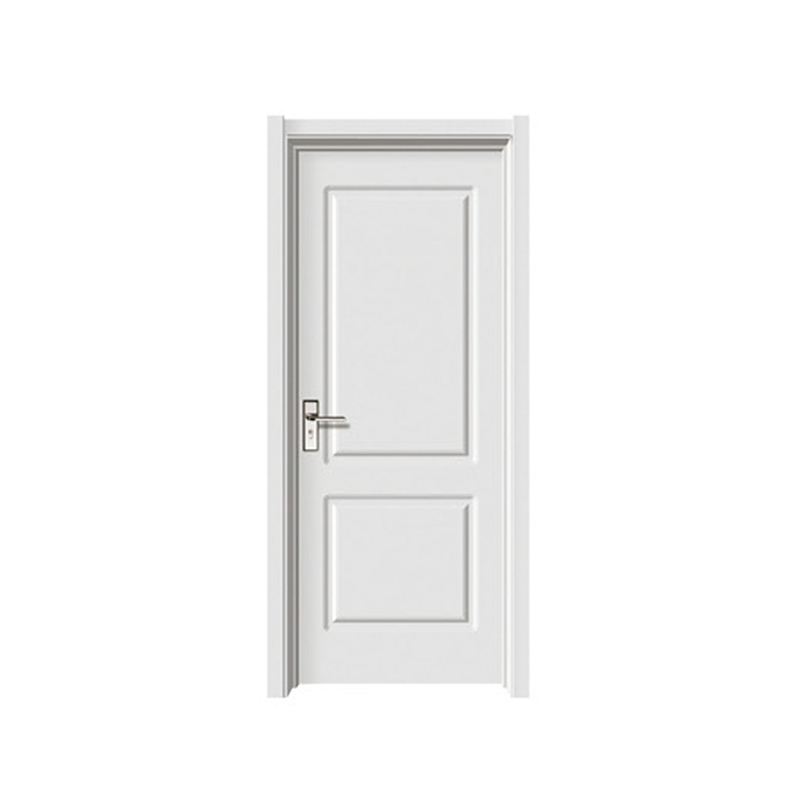
The paint film protects the wood surface. The film resists moisture and wear. A painted door in a busy hallway holds up well. The paint surface wipes clean easily.
Modern paint formulations offer durability. The paint resists chipping and peeling. The finish stays intact through daily use. A painted door looks new for years with proper care.
A Solid Wood Door Manufacturer applies paint in a controlled environment. The paint goes on evenly without drips or brush marks. The factory finish lasts longer than a field applied paint job.
A homeowner choosing paint considers the room conditions. A dark color shows dust and fingerprints more than a light color. A glossy paint shows imperfections more than a flat paint. The choice balances appearance and practicality.
Stain adds color to the wood without hiding the grain. The stain penetrates the wood surface. The pigment settles into the wood pores. The grain remains visible through the color.
Stains come in many colors. A light stain adds warmth to pale wood. A dark stain creates richness. A gray stain gives a modern look. The stain color changes the wood tone while keeping the natural character.
The wood species affects the stain result. Oak has open grain that takes stain unevenly. Maple has tight grain that takes stain evenly. A Solid Wood Door Manufacturer tests the stain on each wood species. The test ensures the final color meets expectations.
Stained doors need a clear coat over the stain. The clear coat protects the stained surface. Without a clear coat, the stain wears off over time. The clear coat adds durability to the stained finish.
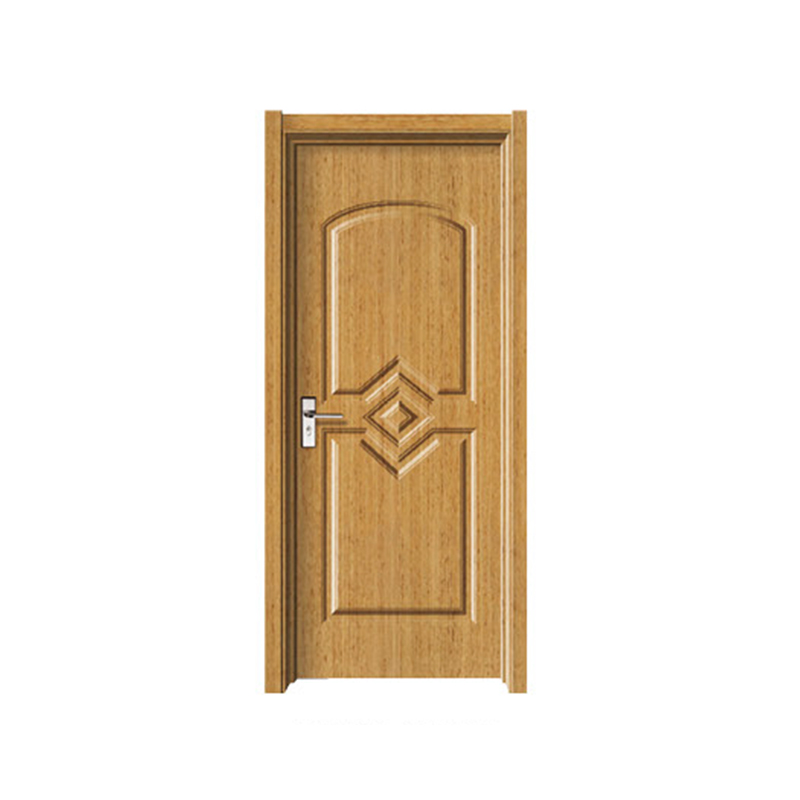
A stained door shows the wood character. The grain pattern adds visual interest. The color adds warmth or coolness to the room. The combination of color and grain creates a unique door.
Stained doors work well in rooms where wood adds character. A study with stained wood doors has a traditional feel. A modern home with stained doors adds warmth to clean lines.
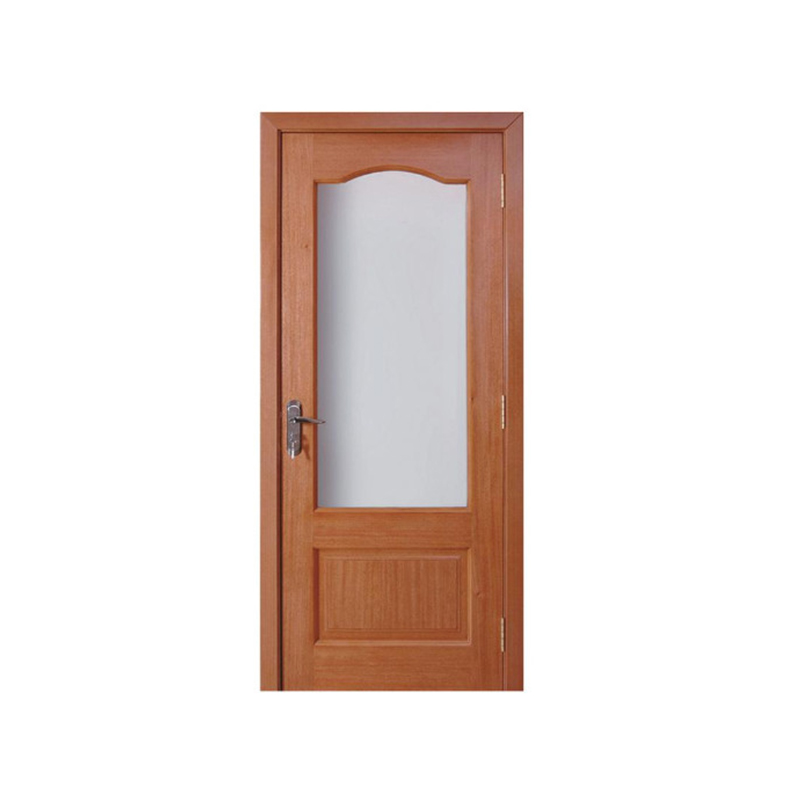
Oil finishes behave differently from film finishes. The oil penetrates into the wood fibers. The finish does not sit on top of the surface. The wood feels natural to the touch.
The oil darkens the wood slightly. The grain becomes more pronounced. The wood surface has a matte appearance. The natural feel appeals to many homeowners.
Oil finishes require more maintenance than film finishes. The oil wears off with use. The door needs re oiling periodically. The re oiling process is simple but needs regular attention.
The oil finish does not protect against moisture as well as a film finish. Water can penetrate the oiled surface. The wood may stain or darken from moisture. An oiled door in a bathroom needs extra care.
Oil finishes work well in low traffic areas. A bedroom door with oil finish lasts many years. The natural look fits a relaxed interior style. The occasional re oiling keeps the door looking good.
A homeowner choosing oil finish understands the maintenance commitment. The door needs attention every year or two. The natural feel makes the effort worthwhile for many homeowners.
The sheen level of a finish affects how the door looks over time. A glossy finish reflects light and shows every imperfection. A matte finish absorbs light and hides small scratches.
A glossy door shows fingerprints clearly. A child touches the door. The print stays visible until someone cleans it. A matte door does not show prints as readily. The surface scatters light rather than reflecting it.
Scratches appear more on glossy surfaces. A small scratch catches light and stands out. The same scratch on a matte surface disappears into the texture. A door in a busy home benefits from a matte finish.
The cleaning frequency differs between sheens. A glossy door needs frequent cleaning to maintain the look. A matte door needs less frequent cleaning. The matte surface hides dust and smudges.
Modern matte finishes have the same durability as glossy finishes. The sheen does not affect the protection. The choice comes down to appearance and maintenance. A busy household chooses matte for practical reasons.
The manufacturer applies both matte and glossy finishes the same way. The difference comes from flattening agents added to the finish. The agents reduce the light reflection. The protection level stays the same.
A homeowner who wants a modern look often chooses matte. The understated finish fits contemporary interiors. The practical benefits make matte a good choice for daily use.
Sunlight damages wood over time. The UV rays break down the wood fibers. The wood color changes. A dark wood may lighten. A light wood may yellow or darken. UV protective finishes slow this damage.
UV inhibitors are added to the finish. The inhibitors absorb UV radiation. The energy converts to heat instead of damaging the wood. The wood color stays closer to the original.
A door facing a window receives direct sunlight. The sun hits the door surface for hours each day. A standard finish may not block enough UV radiation. A UV protective finish gives extra protection.
The effectiveness of UV protection varies. A finish with high UV absorption protects longer. The protection level depends on the inhibitor concentration. A Solid Wood Door Manufacturer offers UV protective options for sun exposed doors.
UV protection is not permanent. The inhibitors deplete over time. The door needs refinishing after several years. The refinishing restores the UV protection. The door continues to resist sun damage.
A homeowner with a sun exposed door chooses a finish with UV protection. The door lasts longer and looks better. The extra cost of UV protection saves future refinishing costs.
A manufacturer applies finishes in a controlled environment. The temperature stays consistent. The humidity stays within a range. The controlled environment produces consistent results.
The application process starts with surface preparation. The door gets sanded to a smooth surface. The sanding removes machining marks. The surface ready for finish.
The finish goes on in layers. Each layer gets time to dry or cure. A sealer coat goes on first. The sealer raises the wood grain. The sanding removes the raised grain. The sealer creates a smooth base.
The color coat or stain goes on next. The application method ensures even color. The stain gets wiped on and wiped off. The color coat gets sprayed on evenly.
The final clear coat goes over the color. The clear coat provides the protection. Multiple clear coats build up the finish film. Each coat adds durability.
Quality control checks the finish. The inspector looks for runs, sags, or thin spots. The inspector checks the color match. A door that passes quality control moves to packaging.
A homeowner buying a factory finished door gets a consistent product. The finish will be the same on every door in the order. The installation goes smoothly because the doors match. A site finished door may not match as well.
A door in a busy area gets touched often. Hands push the door open and closed. Cleaning products wipe the door surface. The finish must withstand contact and cleaning.
A catalyzed finish offers high durability. The finish contains a catalyst that creates cross links. The cross links make the finish harder and more chemical resistant. A catalyzed finish resists damage from cleaning products.
Two component finishes provide similar durability. The finish has a base and a hardener. The two parts mix before application. The chemical reaction creates a tough film. The finish resists wear and chemicals.
Water based finishes have improved in durability. Modern water based finishes resist water and chemicals. The finish does not yellow over time. The low odor makes water based finishes popular.
A lacquer finish offers less durability. The finish softens with solvent exposure. Cleaning products may damage lacquer. The finish scratches more easily. Lacquer works for low traffic doors.
The finish choice depends on the door location. A bathroom door needs moisture resistance. A kitchen door needs grease resistance. A front door needs weather resistance. The finish matches the exposure.
A Solid Wood Door Manufacturer provides guidance on finish durability. The manufacturer recommends finishes based on the door use. A homeowner follows the recommendation for long door life.
Room conditions affect finish performance. A bathroom has high humidity. A kitchen has grease and steam. A hallway has high traffic. The finish must match the conditions.
Humidity causes wood to expand and contract. A finish that resists moisture penetration protects the wood. A clear coat or paint works well in humid rooms. An oil finish does not protect as well.
Temperature changes stress the finish. A door near a heating vent cycles through temperature changes. The finish should remain flexible. A rigid finish cracks with temperature cycling.
Light exposure affects the finish and wood. A sun exposed door needs UV protection. A door in a dark hallway needs less protection. The finish choice considers the light level.
Cleaning frequency affects the finish. A door in a children's room gets cleaned often. A durable finish withstands frequent cleaning. A delicate finish requires gentler cleaning methods.
A homeowner matches the finish to the room. A satin clear coat works in many rooms. A matte paint works in high traffic areas. A glossy finish works in low traffic formal spaces.
The door style also influences finish choice. A contemporary door looks good with matte finish. A traditional door looks good with satin or gloss. The finish complements the Modern Solid Wood Door style.
A homeowner considers all factors. The door location, traffic, light, and style all matter. The right finish keeps the door looking good for years. The Modern Solid Wood Doorbecomes a lasting part of the home.
Copyright © Zhejiang Shangpin Bense Home Furnishing Co., Ltd.

Wood Interior Door Manufacturer
 русский
 عربى
عربى Français
 Español