

2026-06-16
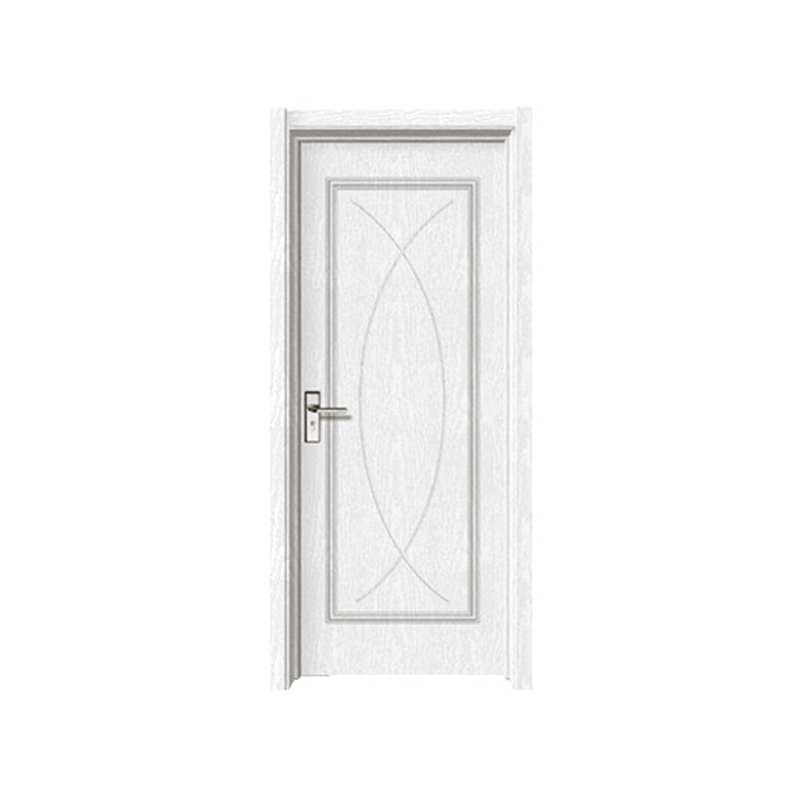
Interior space often changes feeling before anything else changes physically. Door surface plays a quiet role in that shift. A Modern Solid Wood Door carries not only structure from wood material, also carries surface treatment that reacts to light in different ways. Matte finish and gloss finish create two different visual behaviors inside the same room.
In daily living spaces, doors are rarely isolated objects. Wall color, floor texture, furniture surface, and lighting conditions all interact with door finish at the same time. A slight change in reflection can influence how open or closed a room feels.
Matte surface tends to reduce reflection. Gloss surface increases reflection. That simple difference becomes visible once light enters the room and hits the door surface.
Inside a Solid Wood Door Supplier environment, surface finish selection is often connected to how indoor atmosphere is expected to feel under common lighting conditions rather than appearance alone.
Light behavior is the main reason matte and gloss finishes feel different in a room. Matte surface spreads light in many directions after contact. Reflection does not return in a single clear path. Instead, light becomes softer and less concentrated.
Gloss surface behaves in another way. Light returns in a more direct direction. Reflection becomes clearer and sharper. Surfaces near the door may appear brighter or more visually active.
In practical indoor conditions:
Small changes in reflection affect how human eye reads space depth. A reflective surface often feels closer because visual attention is drawn to it. A matte surface tends to blend more into background.
Lighting conditions inside rooms never stay completely constant. Natural light changes during the day, artificial light shifts with usage patterns. Door surface reacts differently under each condition.
A Modern Solid Wood Door with matte finish behaves steadily under changing light. Reflection remains controlled even when sunlight angle changes. Gloss finish reacts more strongly when light direction shifts, creating visible changes on surface brightness.
Common interaction patterns:
Light and surface together shape how room boundaries are perceived. A door can appear visually lighter or heavier depending on how light interacts with finish.
Surface finish does not exist alone. It sits on top of wood structure. A Modern Solid Wood Door contains natural grain patterns that interact with coating layers in different ways.
Wood fiber direction creates small uneven surfaces at microscopic level. Matte finish tends to follow that texture closely. Gloss finish covers texture with reflective layer, reducing visible grain variation.
In real application:
Material structure and finish layer work together rather than separately. Same wood core can appear different depending on surface treatment applied.
Room appearance is not only about color or size. Visual weight plays a role in how space feels balanced. Door surface finish changes that perception in a subtle way.
Matte surfaces usually reduce visual noise. Less reflection means less distraction. Door blends into wall or background more easily. Gloss surfaces attract attention due to reflection and highlight presence inside room.
In practical observation:
Spatial balance depends on how much attention each surface receives. Door finish becomes part of that distribution.
| Aspect | Matte Finish Behavior | Gloss Finish Behavior |
|---|---|---|
| Light reflection | Soft and diffused | Strong and directional |
| Surface visibility | Blends into space | Draws visual attention |
| Room atmosphere | Calm and stable feel | Active visual presence |
| Texture perception | Grain more visible | Grain less visible |
| Shadow effect | Smooth transition | Strong contrast edges |
Color perception inside rooms is closely tied to light reflection. Same door color can appear different depending on surface finish and lighting condition.
Matte finish tends to keep color perception stable across changing light. Gloss finish may shift visual tone depending on reflection intensity and angle of light source.
In daily use conditions:
Even small surface changes influence how color is interpreted by human eye inside enclosed space.
Room perception often changes without any structural modification. Door surface finish plays a quiet role in that effect. A Modern Solid Wood Door interacts with surrounding walls and flooring through reflection and absorption of light, which influences how boundaries are seen.
Matte finish reduces reflection from edges. Wall and door surface begin to visually merge in some lighting conditions. That blending effect can soften the sense of boundary between door frame and surrounding wall.
Gloss finish behaves differently. Reflection increases separation between surfaces. Light bouncing from door surface creates clearer boundary lines, which can make the door stand out inside the room layout.
In practical indoor observation:
Room size perception often comes from surface interaction rather than physical dimension.
Different rooms require different surface behavior. Door finish choice often depends on how space is used rather than appearance alone. A Modern Solid Wood Door may carry matte finish in one area and gloss finish in another, depending on lighting and activity level.
Living areas often deal with mixed lighting conditions. Matte surfaces support stable visual background, reducing reflection from windows and indoor lights. Gloss surfaces appear more active under artificial lighting, which may fit spaces designed for stronger visual focus.
Common usage patterns:
A Solid Wood Door Supplier usually considers both surface behavior and daily use conditions when offering finish options, since interior environment changes throughout the day.
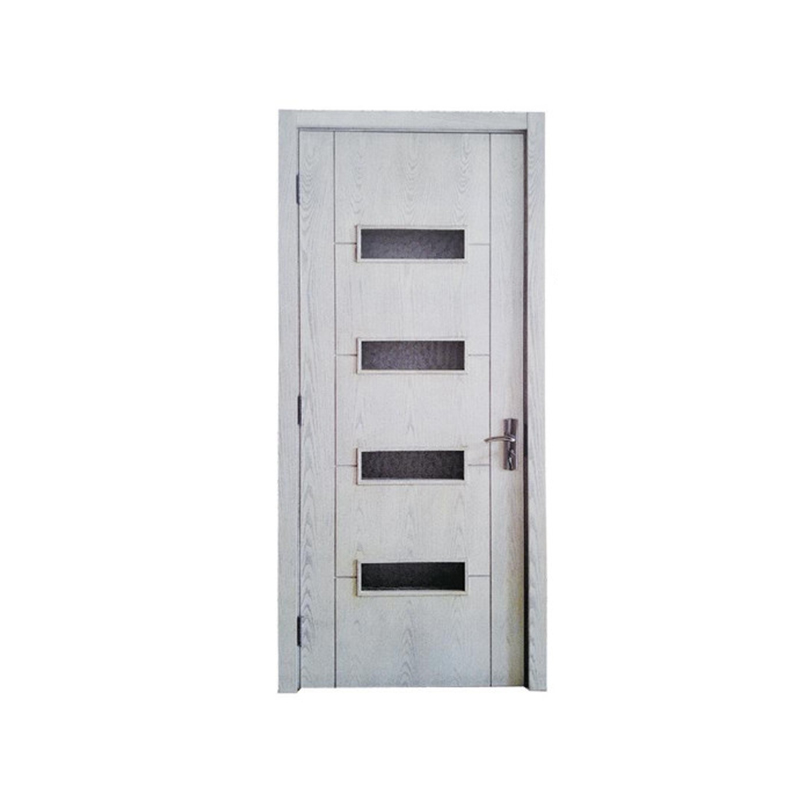
Daily use affects matte and gloss surfaces in different ways. Cleaning, touch contact, and light exposure all influence how finish behaves over time.
Matte surfaces hide small marks more easily due to lower reflection. Gloss surfaces reflect light strongly, so small surface changes become more visible under certain angles.
In real maintenance conditions:
Maintenance behavior often influences long-term appearance more than initial finish choice. Lighting condition inside room determines how surface changes are noticed.
Human eye response to surface finish is closely connected to light reflection strength. Matte and gloss finishes create different visual signals that affect how space is experienced.
Matte surfaces reduce stimulation from reflected light. Eye movement stays more relaxed across surrounding environment. Gloss surfaces introduce stronger light points, which attract visual attention and shift focus toward reflective areas.
In practical indoor experience:
A Modern Solid Wood Door becomes part of visual environment rather than only functional partition. Surface texture and reflection behavior quietly guide how room is perceived during daily movement.
Room appearance does not depend on a single element. Door surface finish, lighting condition, wall color, and material texture all interact at the same time. Matte and gloss finishes change how light behaves, and that change shifts spatial feeling in subtle ways.
In real living spaces, those changes are noticed through small details. Reflection on door surface, shadow softness near edges, and brightness distribution across walls all contribute to how space is experienced.
Different finishes create different visual rhythm inside the same room. Matte reduces reflection movement, gloss increases it. Both interact with light and structure in their own way, shaping interior atmosphere through continuous visual balance.
Copyright © Zhejiang Shangpin Bense Home Furnishing Co., Ltd.

Wood Interior Door Manufacturer
 русский
 عربى
عربى Français
 Español