

2026-06-12
Inside apartment spaces, every element sits closer than in open layouts, so even small interior parts can change how the whole room feels. Doors often become part of daily movement routes rather than background objects.
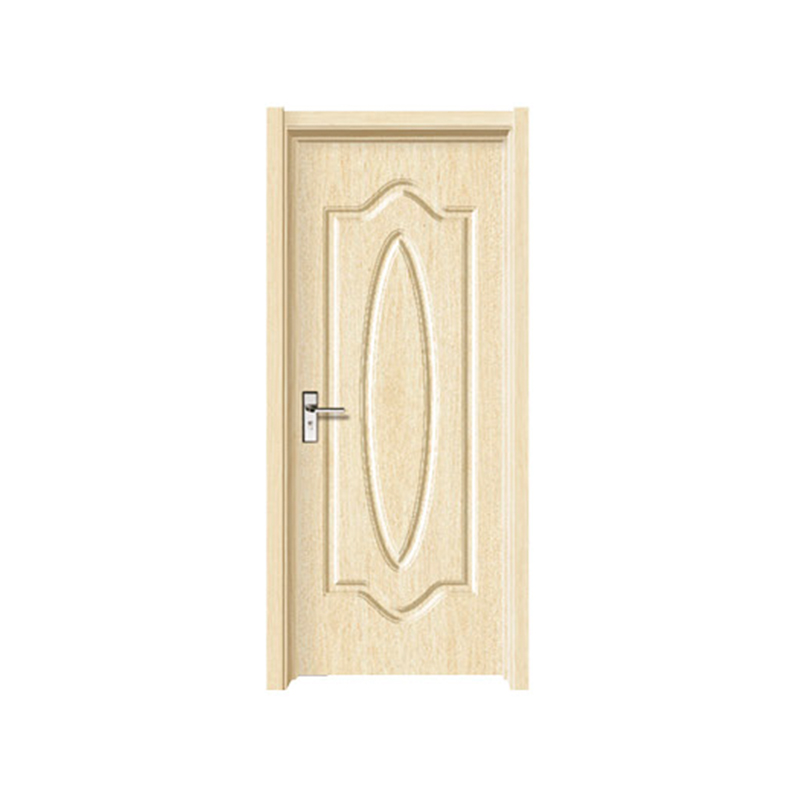
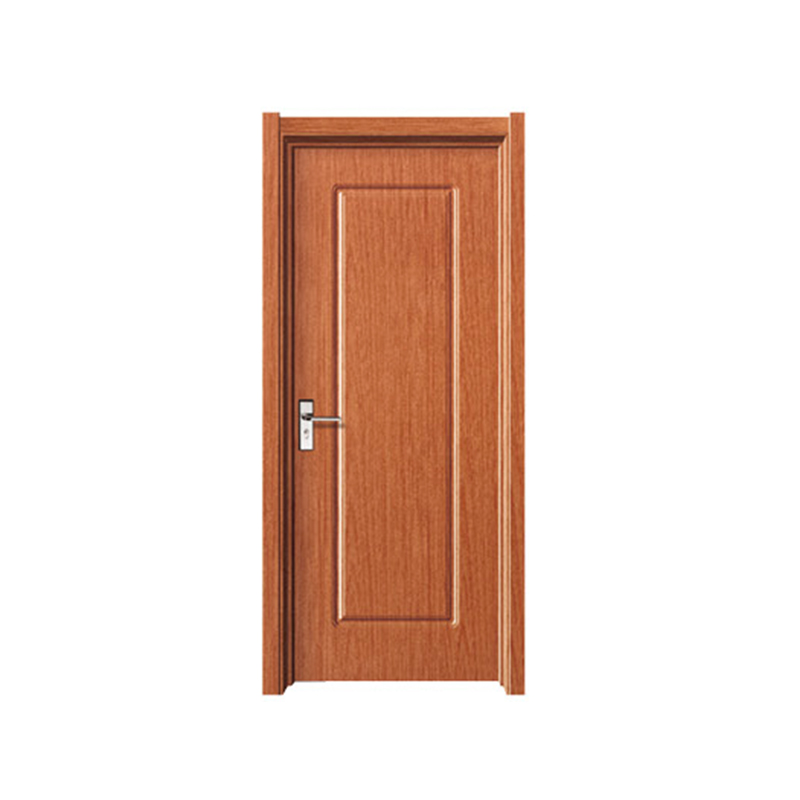
Modern Solid Wood Door styles are commonly used in such environments because they sit quietly within the space without drawing unnecessary attention. In narrow corridors or compact rooms, a door is often in constant use, opening and closing many times through daily routines.
Over time, how a door behaves starts to matter more than how it looks at installation stage. Movement between rooms, early morning routines, and repeated passage throughout the day all pass through the same points. When structure stays steady, the whole living flow feels less interrupted.
Inside apartment conditions, doors do not stay still for long periods. They are used often, sometimes in quick movement, sometimes with slower closing depending on routine. Modern Solid Wood Door construction tends to hold a certain weight and stability that reacts consistently under these repeated cycles.
Frame contact becomes important in long-term use. When the frame stays aligned, opening and closing feel predictable. When alignment shifts slightly over time, movement may feel different at certain angles, especially in tighter spaces where walls are close.
Apartments often place doors near furniture edges or narrow walkways. In these conditions, structural stability becomes something noticed in everyday movement rather than technical description.
Solid wood behaves differently from lighter interior materials. Inside apartment environments, temperature and indoor air stay relatively controlled, so changes in material feel appear slowly.
Modern Solid Wood Door surfaces tend to carry a steady density when touched or moved. During early use, movement may feel slightly firm, then gradually settle into a more familiar rhythm after repeated daily cycles.
Contact areas around handles and edges tend to adjust first. These parts receive the most repeated pressure during daily routines. Over time, the surface response becomes smoother in those specific zones, while the rest of the door stays visually unchanged.
Common usage impressions in apartment settings:
In apartment layouts, door thickness influences both movement and perception of space. Even without changing room size, a door can affect how enclosed or open a space feels.
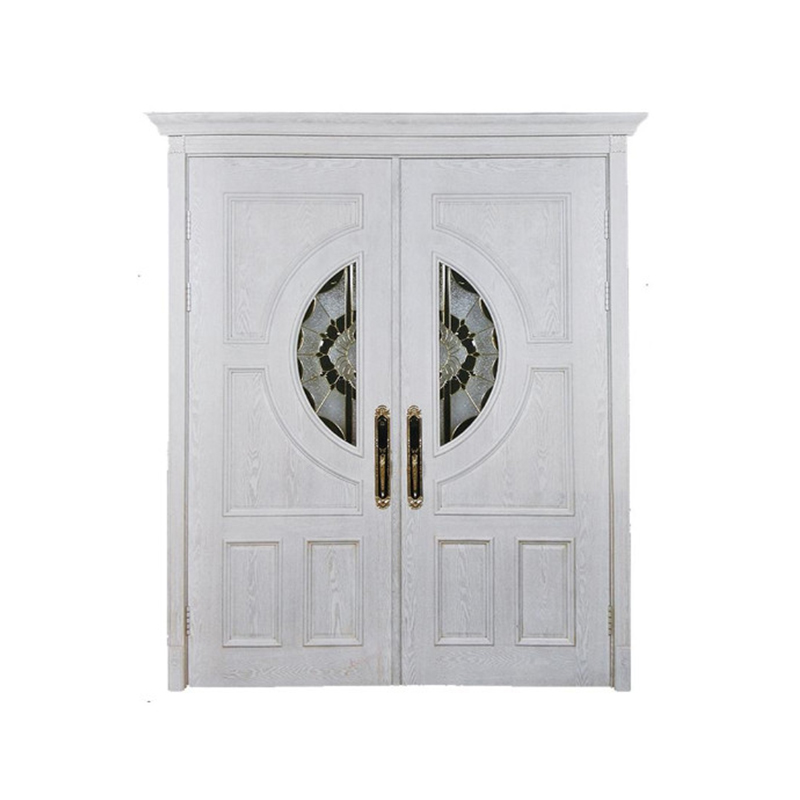
Modern Solid Wood Door designs usually stay within a balanced structure that does not feel visually heavy in small interiors. When doors appear too dominant, room edges feel tighter. When structure remains balanced, transition between rooms feels more natural.
Apartment interiors usually carry a continuous visual line from one room to another. Furniture, lighting, and wall surfaces sit close together, so any interruption stands out more easily.
Modern Solid Wood Door surfaces often remain simple, allowing surrounding space to stay visually connected. Instead of breaking room continuity, the door becomes part of the background structure that supports movement between areas.
Lighting also interacts with door surfaces. In smaller spaces, shadows move across walls and doors frequently. When surface design stays calm, lighting transitions across rooms feel less fragmented.
In many apartment layouts, doors are directly visible from multiple angles, so visual simplicity helps maintain a stable sense of space.
| Door Presence | Space Feeling | Daily Movement |
|---|---|---|
| Balanced structure | Calm room separation | Smooth passage between rooms |
| Heavier visual form | Strong boundary feeling | Slightly slower movement flow |
| Lighter visual form | Open transition feeling | Less sound separation |
| Uneven design feel | Irregular visual flow | Inconsistent room transition |
Behind each Modern Solid Wood Door, production steps inside a Solid Wood Door Manufacturer environment influence how the product behaves in real apartment use.
Material preparation begins the process. Wood selection, internal layering, and surface shaping all contribute to how stable the final structure feels during repeated movement.
During shaping and assembly, alignment between internal parts determines how smoothly the door moves later on. Slight variation at this stage may not appear immediately, though it can influence long-term behavior after repeated daily use.
Surface finishing also affects how the door interacts with touch and movement. A more even surface helps reduce uneven contact during repeated opening cycles.
Production-related factors often reflected in use:
Installation inside apartments usually happens within fixed wall conditions and limited working space. Even when door structure is stable, alignment during installation plays a quiet role in later movement.
When frame positioning stays even, door movement feels steady across repeated use. Slight deviation may not be noticeable immediately, though it can appear during long-term cycles of opening and closing.
In compact living spaces, walls, flooring, and nearby furniture all influence how door frames settle. Small adjustments during installation often decide how consistent movement feels later.
Inside apartment living spaces, door movement rarely follows a fixed rhythm because the passage between kitchen, bedroom, bathroom and living area happens in different timing patterns across the day, and Modern Wood Door surfaces gradually begin to reflect this repeated but irregular interaction through subtle changes in how resistance feels during opening and closing rather than any visible transformation on the surface itself.
At earlier stages of use, movement can feel slightly more defined, especially when the frame and handle points are still adapting to repeated contact, yet as days extend into longer cycles of daily living, the motion tends to settle into a more familiar response where the force required to move the door becomes less noticeable and more predictable in a quiet, almost background way.
Handle zones and edge areas usually respond first to continuous contact, and instead of showing clear wear, what becomes noticeable is a kind of smoothing in how touch and pressure are received during everyday operation, especially in apartments where repeated use happens many times without interruption.
Apartment environments carry a closeness between rooms that makes sound travel more easily through surfaces, so when Modern Wood Door panels close, the interaction between frame and surface becomes part of how the space is experienced rather than just a mechanical action, and this is where density and contact alignment begin to influence how movement feels rather than only how it functions.
Sound behavior is not only linked to material thickness but also to how evenly the door settles into its frame over time, because when contact remains balanced, closing tends to feel more contained and controlled, while small shifts in alignment, often gradual and barely noticeable at installation stage, may slowly change how sound spreads during repeated daily cycles.
In many apartment settings, especially where rooms are closely arranged, even small differences in closing rhythm become more noticeable during quiet periods, not because of structural issues, but because the living environment itself amplifies subtle interaction between surfaces.
Apartment interiors remain relatively stable compared with outdoor environments, yet daily activities such as cooking, ventilation changes and general room usage still create slow variations in air movement that interact with Modern Solid Wood Door surfaces in ways that do not appear immediately but develop across longer time periods.
Instead of visible transformation, what tends to appear is a gradual shift in how the surface responds during contact, where the material seems to settle into the environment it is placed in, adjusting slowly to repeated indoor conditions until movement and touch feel more aligned with daily use patterns.
This adjustment is not uniform across the entire surface, since handle areas and edge sections tend to respond earlier due to repeated interaction, while larger flat areas remain visually consistent even as tactile response becomes slightly more familiar over extended use.
In apartment environments where space is limited and movement paths are narrow, Modern Solid Wood Door systems may gradually experience changes that are more related to usage concentration than structural weakness, especially in areas where repeated movement occurs along the same path throughout daily routines.
When doors are positioned close to furniture or wall edges, contact during movement becomes more frequent in specific zones, and over time this may influence how smoothly the door passes through those areas, not in a sudden way but through slow adjustment of resistance during repeated cycles.
Frame alignment inside compact wall structures can also shift slightly over long periods, influenced by natural settling of surrounding surfaces, and this may change how evenly the door closes, although such changes usually develop slowly and become noticeable only through consistent daily use rather than immediate observation.
Behind Wood Door systems, production practices inside a Solid Wood Door Manufacturer environment influence how the door behaves once placed in apartment conditions, not only through material selection but also through how internal structure is arranged and how surface finishing interacts with long-term contact.
When internal layers are aligned evenly during assembly, the door tends to respond more consistently during repeated movement cycles, while slight variation in structure alignment may not show immediate effect but can gradually influence how smooth or balanced the movement feels after extended use.
Surface finishing also plays a quiet but continuous role, because even small differences in surface consistency can affect how contact feels at handle points and edges during repeated daily interaction, especially in environments where doors are used many times across a single day.
Apartment layout shapes how Modern Solid Wood Door systems behave over time because movement frequency, space width and connection between rooms all contribute to how often and how intensely the door is used, and in narrow layouts where movement paths overlap, contact becomes more concentrated in certain areas which slowly changes how those points respond during repeated cycles.
In tighter spaces, the interaction between door surface and surrounding objects becomes more noticeable, not as visible damage but as slight variation in movement flow when passing through restricted areas, while in more open layouts, movement tends to feel less constrained and pressure distribution remains more even across repeated use.
Over extended periods of apartment living, Door systems tend to settle into the rhythm of daily movement in a way that is not abrupt or clearly defined, but rather gradual, where repeated use, indoor conditions and spatial layout collectively shape how the door feels during operation until it becomes part of the background structure of living rather than a separate functional element.
Copyright © Zhejiang Shangpin Bense Home Furnishing Co., Ltd.

Wood Interior Door Manufacturer
 русский
 عربى
عربى Français
 Español