

2026-06-05
Modern Solid Wood Doors combine the natural feel of real wood with forms that work well in daily home life. These doors use solid wood from edge to edge, giving each one a solid heft that feels substantial when you push it open or pull it shut. Finishes stay mostly matte or lightly enhanced to show the wood grain instead of hiding it under shiny layers. Panels tend toward flat or softly recessed shapes that keep things understated rather than ornate.
Families often notice how these doors help rooms feel connected instead of chopped up. The thickness along the edges helps them close quietly and swing smoothly even after years of use. Wood tones shift gently depending on whether morning light or evening lamps hit them. Solid Wood Door Manufacturer teams choose wood that handles indoor humidity changes, so the doors stay aligned in their frames through wet summers or dry winters.
The designs focus on how the door sits visually against walls and floors. Sometimes the door blends into the background. Other times it quietly draws the eye because of its natural warmth. Handle height and swing direction get planned around how people actually move through the house with kids, groceries, or laundry baskets.
Wood type matters a lot for how well a Modern Solid Wood Door holds up under normal family wear. Tighter grain patterns resist scratches better when bags or toys bump against them. Joining techniques keep the door stable when indoor heat rises in winter or drops during rainy seasons.
Protective finishes shield the surface without covering up the wood's own look. Reinforced spots at the top and bottom handle the stress from frequent opening. Hinges and latch points get aligned carefully so the door does not start sticking or rubbing after months of daily use.
Solid Wood Door Manufacturer teams dry the wood under controlled conditions before cutting, which cuts down on twisting once the door is installed. Corners and edges get extra shaping to avoid rough spots that catch fingers or clothing. Because of this, people can walk through doorways without constantly worrying about the door itself. A quick wipe with a cloth or light oiling keeps the surface in good shape for most homes.
Minimalist homes work nicely with Modern Solid Wood Doors that use clean flat panels and straight edges. Without thick trim or patterns, the doors let the walls and flooring stay the main focus. Lighter wood colors mix easily with white or gray tones, while slightly darker ones add quiet contrast that does not feel heavy.
Door sizes match the room scale so sight lines stay open in living areas. Handles stay slim and nearly disappear against the wood. People living in these spaces like how the doors create smooth passages between zones while bringing a bit of natural warmth.
The overall effect supports a calmer feeling because nothing competes with the few pieces of furniture. When placed near windows, daylight moves across the surface and changes the look softly from morning to afternoon. This helps the whole room feel purposeful and restful.
Contemporary homes often use Modern Solid Wood Doors with soft geometric shapes or slight panel differences for interest. These doors pair comfortably with concrete floors, large glass windows, or metal details. Transitional homes gain from doors that link older wall details with newer furniture through even proportions.
Mid-tone wood colors help tie lighter ceilings to darker floors across open areas. Frames sit nearly flush so attention stays on easy movement rather than the door itself. In busy households the doors manage constant traffic while still looking neat.
Slight changes in panel depth catch light and shadow, giving plain walls a bit of life. Wider openings work well for open layouts when people want connection, yet close for privacy during video calls or quiet time. The doors adjust easily when families rearrange seating or add new shelving.
Rustic and farmhouse homes suit Modern Solid Wood Doors that highlight natural grain and texture. Wider panels with softer edges match exposed beams or old wooden tables. Earthy finishes sit comfortably beside stone counters, linen curtains, and other everyday materials.
People in these homes appreciate doors that handle real family routines. Take a typical Saturday: kids run in and out, someone carries firewood, and the dog pushes through. The solid weight absorbs these small impacts without denting easily.
Solid Wood Door Manufacturer methods keep natural knots and grain lines visible instead of sanding them away. Each door develops its own character that changes with light from nearby windows or skylights.
Here are some practical examples from daily farmhouse life:
Knots and grain become part of the home story. Children often run fingers along the surface, and visitors comment on the comfortable, solid feel. In kitchens the doors manage moisture swings from cooking or canning without warping. Heavier handles match the tactile style of the space.
Over time the wood near a wood stove may deepen slightly in color from gentle warmth, adding to the lived-in look without extra work. Mudroom doors resist scuffs from school bags or work coats. The natural material helps rooms feel connected to the land outside, whether fields or backyard gardens.
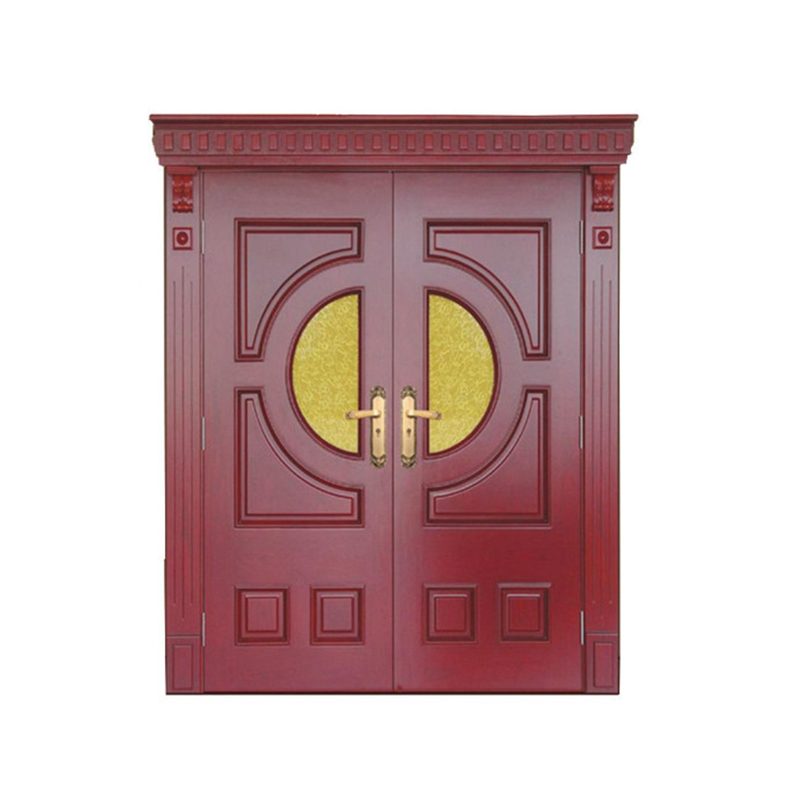
Traditional homes pair comfortably with Modern Solid Wood Doors that follow the natural flow of older architecture. The panels use balanced shapes that feel at home next to existing trim and moldings instead of standing out too much. Raised or recessed details stay moderate so everything looks like it belongs together.
Deeper wood colors often match the richer tones common in heritage rooms, while still holding up well in busy formal areas. The doors open and close smoothly, which makes it easier to carry things between sitting rooms or greet visitors without any awkward sticking. Their solid weight feels right alongside wooden floors and staircases, tying the whole house together.
Solid Wood Door Manufacturer teams put extra care into the joinery so the doors stay straight and aligned even in older houses where floors have settled a bit over time. Small changes in panel width can echo nearby windows or cabinets, creating a sense of harmony from room to room. Families who live in these homes often say the doors give them that familiar comfortable feeling while working reliably through everyday life.
Here are some real ways these doors show up in daily traditional home life:
The natural wood surface catches afternoon light from tall windows and adds a warm depth that grows more pleasant with time.
Industrial and loft homes often use Modern Solid Wood Doors to add warmth against raw brick, metal pipes, and concrete surfaces. Lightly finished wood brings a soft natural contrast that softens the hard lines typical in converted warehouse spaces. Bigger door sizes work well with tall ceilings and wide open layouts where areas blend into each other.
These doors create useful divisions for privacy or noise control without cutting off light or airflow, which is important when living and working happen in the same large room. Metal hardware adds to the mix of textures that gives these spaces their distinct character. The strong build handles the active pace of city living, from early morning routines to evening get-togethers.
Positioning doors near large factory-style windows lets daylight move across the grain and create shifting patterns throughout the day. This becomes helpful when people rearrange furniture or set up different zones for work and relaxing.
Practical situations in loft living include:
The design makes it easier to adjust daily routines in homes where work and personal life share the same open space.
Modern Solid Wood Doors bring noticeable weight that helps separate rooms and keeps sound from carrying easily between them. They also reduce cold drafts along the floor, especially welcome during winter. Planning the swing direction carefully improves how people move through tight hallways or around corners where children and pets are always passing.
Maintenance stays straightforward. A regular dusting and occasional light conditioning along the grain helps the wood respond well to normal indoor air changes. The construction also allows small adjustments later if the house settles slightly.
Here is an overview of how different approaches tend to work in everyday homes:
| Home Style Approach | Panel Focus | Tone Range | Movement Pattern |
|---|---|---|---|
| Minimalist | Flat and even surfaces | Light neutral | Wide and unobstructed |
| Rustic | Visible grain texture | Warm earth | Steady daily passage |
| Contemporary | Geometric balance | Mid-range contrast | Flexible room connection |
| Traditional | Moderated classic layout | Deeper harmony | Formal room division |
Other useful points include:
These small details make moving around the house feel smoother and less tiring.
Solid Wood Door Manufacturer operations start by choosing wood batches that suit different home requirements. Cutting and assembly allow adjustments in size and detail to fit various room layouts. Finishing happens in controlled areas so each door gets even protection while still showing the wood's natural character.
Teams frequently work with designers to turn style ideas into actual door measurements and details. Careful edge work and hardware prep make sure the doors install cleanly against existing walls and floors. Checks at several stages during production help keep quality steady across orders.
These methods give homeowners real flexibility when refreshing one room or several at once. The process supports homes that change slowly as families grow or tastes shift, while keeping the doors practical and useful through ordinary daily life.
More attention now goes toward how Modern Solid Wood Doors work in homes where rooms serve many different purposes. Designers look for ways to combine real wood with smoother mechanisms that stay quiet during busy mornings or late nights. There is also growing interest in doors that help with natural airflow in homes facing changing weather conditions.
Manufacturers keep working on approaches that respect the wood while making doors more adaptable. Mixed spaces that combine home offices with family areas encourage fresh thinking about where doors go and how they open. The main focus remains on practical solutions that match how people actually live — carrying things between rooms, creating quiet corners, or opening up spaces for together time.
Modern Solid Wood Door design keeps responding to real changes in home life, always trying to balance the honest feel of the wood with what families need for comfort and easy movement.
Copyright © Zhejiang Shangpin Bense Home Furnishing Co., Ltd.

Wood Interior Door Manufacturer
 русский
 عربى
عربى Français
 Español