

2026-06-02
In many buildings, interior doors sit in the background of daily routines, yet they are used so often that their condition slowly shapes how a space feels without drawing attention to themselves until something starts to go wrong, such as a door becoming slightly harder to close, producing small noises during movement, or failing to block sound in a way that allows private moments to feel less private than expected.
What tends to matter in real life is not how a door looks when newly installed, but how it behaves after repeated use across different situations, including busy mornings, quiet evenings, and shared living spaces where several activities happen at the same time, because comfort in indoor environments is often built from these repeated small interactions rather than from visible design features alone.
An Interior Door Factory works within this practical reality, where the focus gradually shifts away from surface appearance and moves toward how materials behave over time, how structural parts hold together under daily stress, and how small details in production influence whether a door feels stable or becomes a source of inconvenience later on.
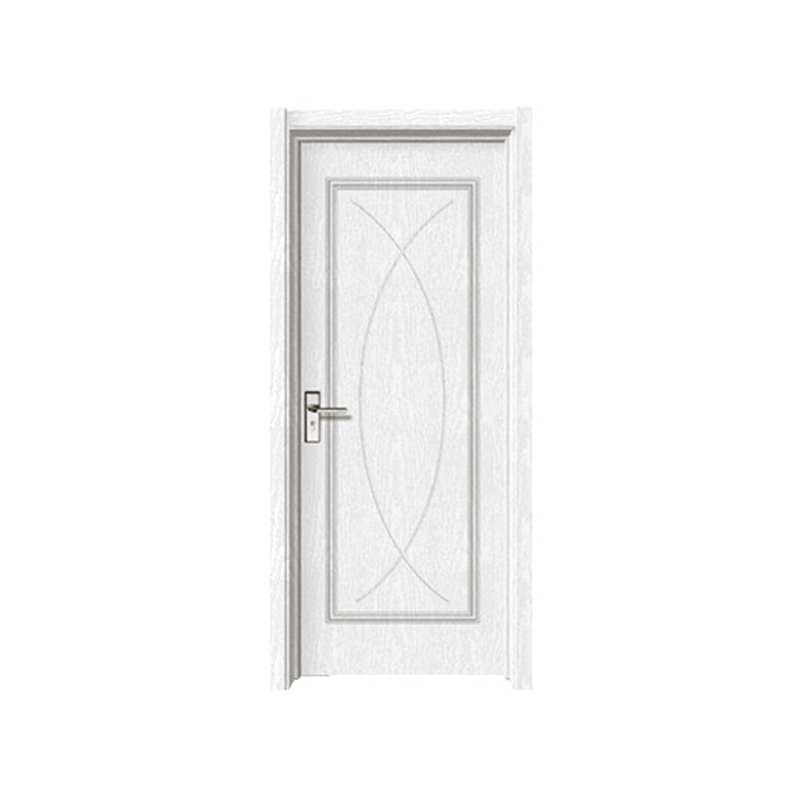
The steady presence of the Modern Solid Wood Door in residential and light commercial interiors reflects this kind of thinking, since natural material expression continues to be valued, while expectations around usability, stability, and long-term comfort quietly shape what people are willing to install in their homes or working spaces.
In everyday living environments, rooms rarely serve a single purpose anymore, and it is common for one space to shift between rest, work, and family activity within a single day, which means interior doors are no longer just physical separators but part of how people manage attention, sound, and personal space.
When sound moves too easily through a door, even ordinary household activity can become distracting, especially when someone is trying to concentrate or rest, and over time these interruptions tend to change how comfortable a room feels, even if the layout and furniture remain unchanged.
Comfort in this context is less about visual design and more about how predictable and calm the environment feels during use, because a door that closes smoothly without sudden impact, stays aligned with its frame, and does not require extra effort to operate tends to blend into daily life in a way that supports rather than disrupts it.
Safety in interior doors is also less about dramatic risks and more about everyday reliability, such as whether hinges remain stable after long use, whether the panel maintains its position without shifting, and whether repeated opening and closing gradually creates resistance or imbalance that makes simple actions feel less natural.
In practical decision-making, people often focus on questions like whether the door will remain usable without adjustment, whether it will continue to close properly after frequent use, and whether it can maintain a consistent level of privacy in shared living environments where noise and movement are constant.
These concerns suggest a subtle shift in expectations, where interior doors are judged less as decorative objects and more as functional parts of living systems that need to perform quietly and consistently over time.
The choice of material is usually where long-term performance begins to take shape, since it affects not only how a door looks when installed but also how it reacts to everyday pressure, humidity changes, repeated contact, and gradual wear that cannot always be noticed in the early stages of use.
In real situations, one of the most common issues people experience with lower stability materials is that doors slowly lose their original alignment, which may not be obvious at first but later appears as friction against the frame, uneven closing resistance, or small gaps that reduce both sound control and visual consistency in the room.
Wood-based structures continue to be widely used in interior environments because they bring a sense of warmth and natural texture that fits comfortably into many design styles, while also offering a level of structural behavior that feels familiar and steady during daily operation.
The Modern Solid Wood Door is often chosen in such contexts not because of visual preference alone, but because the material tends to provide a stable physical presence that supports frequent use, especially in spaces where doors are handled many times a day and need to maintain a consistent feel without sudden changes in performance.
Different material characteristics influence daily experience in ways that are not always immediately visible, yet they become noticeable over time through repeated use and interaction.
| Material Aspect | Practical Influence in Daily Use |
|---|---|
| Structural stability | Helps maintain alignment during long-term use |
| Surface durability | Reduces visible wear from frequent contact |
| Natural texture | Creates a warmer and more familiar atmosphere |
| Balanced construction | Supports smoother mechanical movement |
| Consistent composition | Reduces likelihood of adjustment issues |
What is often overlooked is that comfort is not created by a single property, but by the combination of how a door feels when touched, how it responds when moved, and how it visually integrates with surrounding interior elements without creating unnecessary contrast or tension in the space.
From a practical standpoint, material selection also influences how much attention a door will require after installation, since more stable materials tend to reduce the need for frequent correction, cleaning effort related to surface damage, or early replacement caused by structural fatigue.
In this sense, material decisions made at the beginning of production continue to shape user experience long after installation, especially in environments where doors are part of constant daily routines rather than occasional use.
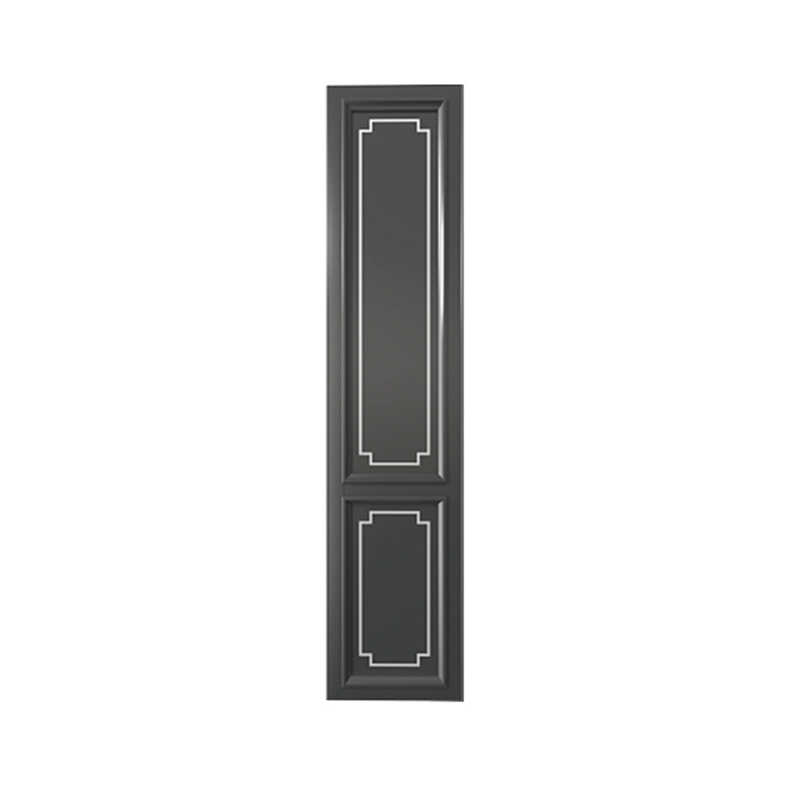
Once materials are selected, the way they are processed inside an Interior Door Factory becomes the next layer that determines how the final product behaves in real use, because even stable raw materials can lose their practical value when cutting, assembly, or finishing lacks consistency across different production steps.
In everyday environments, people usually notice manufacturing quality only when something feels off, such as a door that does not close quietly, a panel that shifts slightly after installation, or a surface that begins to show uneven wear after repeated contact, and these small signals often trace back to precision levels during production rather than design intent.
A well-controlled manufacturing process tends to focus on alignment across multiple components, since an interior door is not a single solid piece but a combination of structural parts that must work together under repeated mechanical movement, and any mismatch between these parts can slowly affect how the door feels during daily operation.
Surface treatment also plays a practical role beyond appearance, because interior doors are touched frequently in daily life, sometimes with force, sometimes casually, and sometimes in situations where furniture or objects come into contact with them, which makes surface stability an important factor in long-term usability.
In actual production practice, reliability is usually supported through a chain of detailed steps rather than a single procedure, and these steps often include:
What stands out in real applications is that users rarely evaluate manufacturing quality directly, instead they experience it through how quietly a door closes at night, how smoothly it moves during repeated daily use, and whether it continues to behave consistently without needing frequent adjustment from installation to long-term service.
For an Interior Door Factory, this kind of reliability is not created through a single improvement but through accumulated control of small details, where each production stage reduces the chance of irregular behavior later in the product's life cycle.
Interior environments have become more sensitive to material choices and long-term product behavior, especially as people spend more time indoors and begin to notice how building components influence comfort in ways that are not immediately visible but gradually become part of daily experience.
An Interior Door Factory is often involved in this discussion through decisions related to material handling, production efficiency, and product durability, since each of these factors contributes in different ways to how a finished door interacts with indoor spaces after installation.
Material management plays a quiet but important role, because selecting and processing resources in a controlled way can reduce unnecessary variation in product quality, which in turn supports more stable performance in homes, offices, and shared environments where consistency is valued in everyday use.
Another aspect involves how materials are used during production, since inefficient processing can lead to waste that does not contribute to product performance, while more controlled production flow helps reduce unnecessary loss and supports more balanced use of available resources within the factory environment.
From a practical point of view, environmental considerations are not separated from usability, because a door that lasts longer without performance decline naturally reduces the need for replacement, repair, and additional material consumption over time, which indirectly affects both indoor stability and resource use.
Key areas often considered include:
Indoor comfort is closely connected to these factors, since users tend to associate well-functioning environments with products that do not require frequent attention, do not degrade quickly under normal use, and remain consistent in both appearance and operation across long periods of time.
In this sense, environmental thinking within an Interior Door Factory is not limited to production methods alone, but extends into how products behave after installation, since long-term stability often has a more noticeable impact on indoor experience than initial appearance or short-term performance.
As expectations around living spaces continue to develop, the relationship between manufacturing practice and indoor comfort becomes more integrated, where durability, usability, and environmental awareness gradually overlap within the same practical framework of everyday use.
Copyright © Zhejiang Shangpin Bense Home Furnishing Co., Ltd.

Wood Interior Door Manufacturer
 русский
 عربى
عربى Français
 Español