

2026-05-29
Interior doors are not usually noticed in daily life, yet they are used constantly. Walking between rooms, closing a space for rest, or simply reducing noise from another area, all depend on how a door is designed and installed.
In many homes, room layouts are becoming more open. Spaces connect more freely, and boundaries between rooms feel less rigid than before. In that kind of layout, interior doors quietly take on a balancing role. They separate when needed and stay visually calm when open space is preferred.
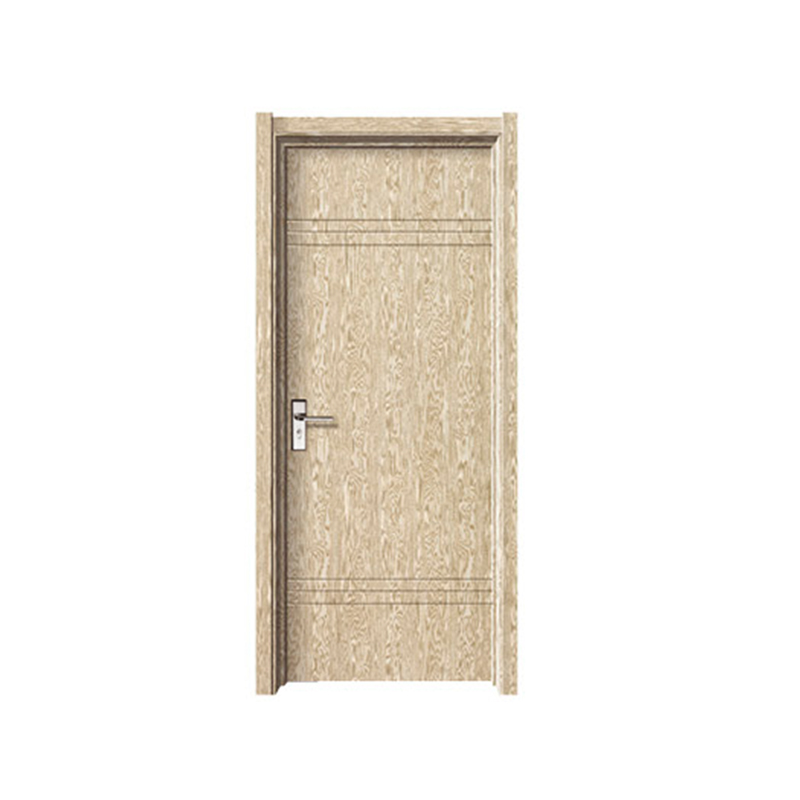
An Interior Door Factory often works with different expectations from households. Some people focus on simple flat surfaces that do not stand out. Others prefer wood textures that feel closer to natural interiors. There are also cases where glass or mixed materials are chosen to keep light moving through rooms.
In daily use, comfort is usually shaped by small details that are easy to overlook:
When these elements come together, the door stops feeling like a separate object and becomes part of the room structure.
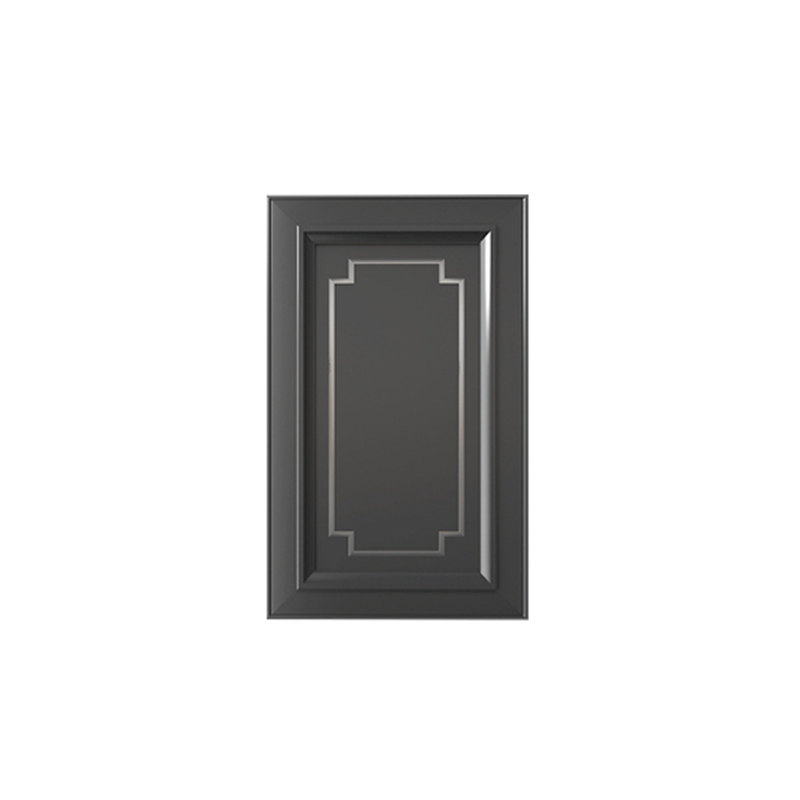
Home layouts rarely follow the same pattern. Some spaces are compact, others open widely. Because of that, interior door styles often change depending on how space is used.
Swing doors are still common in private rooms. They create a clear division between areas and are easy to operate in daily movement. Sliding doors appear more often where walking space is limited or where furniture placement needs more flexibility.
Glass panels are sometimes used in shared indoor zones. Light passes through, which helps smaller interiors feel less closed. Privacy still exists depending on how the glass is treated, yet the visual effect feels lighter.
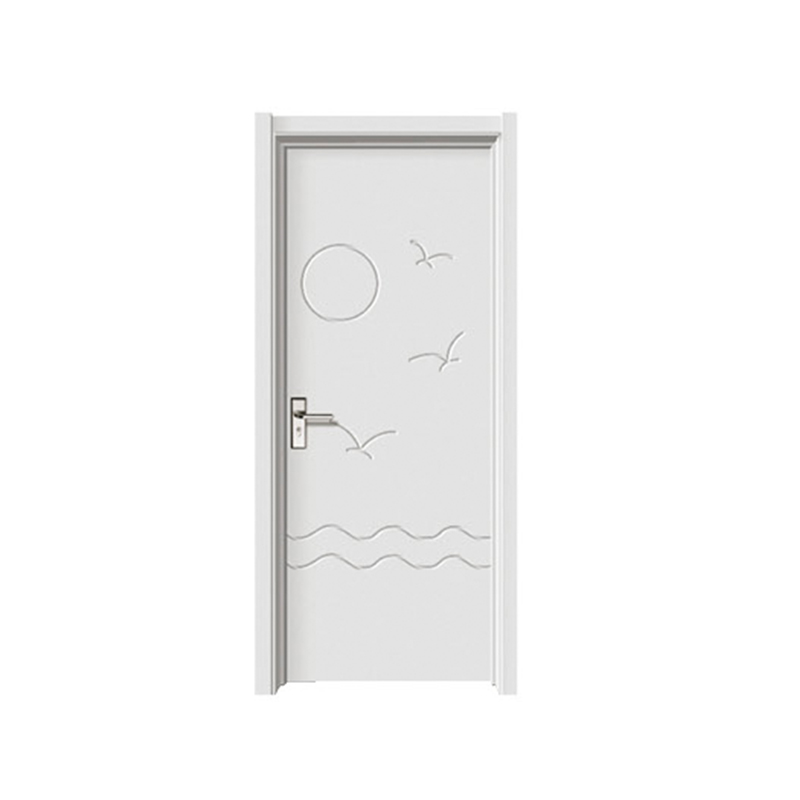
Interior Door Factory production often follows these usage patterns instead of focusing only on appearance. Surface treatment also changes according to room style. Matte finishes are used when a softer indoor feeling is preferred. Painted or printed surfaces are selected when matching wall or furniture tones becomes important.
A simple comparison of common usage looks like this:
| Door Style | Where It Appears | What It Feels Like Indoors |
|---|---|---|
| Swing Door | Bedrooms, private rooms | Clear separation, stable feel |
| Sliding Door | Smaller or narrow spaces | Space-saving movement |
| Glass Panel Door | Shared areas | Light movement between rooms |
| Matte Surface Door | Calm interior design | Soft visual tone |
| Painted Surface Door | Coordinated interiors | Blends with furniture |
The selection is usually not random. It follows how people move inside their homes and how rooms connect with each other.
Privacy inside a home is not only about locking a room. It also involves sound, sight, and the sense of personal space.
In shared living environments, noise often travels from one room to another more easily than expected. A door helps reduce that movement. Even without complete isolation, a well-fitted door softens sound and creates a more stable indoor atmosphere.
Bedrooms often require a stronger sense of separation from living areas. Study rooms also benefit from reduced interruption, especially when focus is needed. Bathrooms rely more on visual separation, where structure and fitting matter more than appearance.
Interior doors contribute to privacy in several ways:
An Interior Door Factory usually considers how different room functions affect these requirements. A single home may use multiple door types depending on each space’s purpose.
Material selection affects how a door behaves over time. Some materials stay stable in changing indoor conditions, while others respond more visibly to moisture or temperature shifts.
Solid wood is often chosen for its steady indoor presence and natural surface appearance. Composite materials are used when lighter structure or surface flexibility is needed. Painted or coated finishes allow more variation in style without changing the base structure.
Different rooms inside a home place different demands on materials. Kitchens and bathrooms usually involve more humidity changes. Living rooms and bedrooms focus more on appearance and comfort feel.
Interior Door Factory production often adapts to these conditions by adjusting surface treatment and internal structure rather than changing the entire door concept.
Material selection usually connects with:
Safe living in this context is less about one feature and more about how materials behave during everyday movement.
Surface finish changes how a door looks, but also changes how it feels to maintain.
Matte surfaces reduce reflection and create a softer indoor impression. They tend to blend into background colors more easily. Glossy surfaces reflect light more clearly and create a more noticeable visual presence in a room.
Painted finishes and printed textures allow doors to match surrounding furniture or wall tones. Wood grain patterns remain common in many homes because they bring a natural visual rhythm into interior spaces.
Maintenance behavior often follows finish type:
An Interior Door Factory usually keeps multiple surface options available so different interior styles can be supported without changing core structure.
Interior door structure is closely tied to how people move inside a home.
Swing doors remain widely used in private rooms because they create a direct separation and simple movement path. Sliding doors appear in spaces where floor area needs to stay open for furniture or walking routes.
Glass-based doors are used where visual openness is needed between rooms while still keeping some level of separation.
Different structures influence daily movement in small ways:
An Interior Door Factory often works with multiple structural forms to match different housing layouts, instead of relying on a single design direction.
Indoor quietness is often affected by small structural details rather than obvious factors. Interior doors play a quiet role in reducing movement of sound between rooms. When a door closes properly, sound from living areas does not travel as easily into resting or working spaces.
Bedrooms usually benefit from stronger separation because rest depends on reduced interruption. Study areas also require a stable environment where outside movement does not easily disturb focus. In both cases, door structure and fitting become more noticeable in daily use than appearance.
A well-fitted door reduces small gaps around edges. Those gaps, even when not visible, often allow sound to pass through. Over time, stable structure helps maintain more consistent indoor conditions.
Interior Door Factory production often considers how door thickness, frame fit, and edge contact work together. Instead of focusing only on surface appearance, internal structure becomes part of quiet space planning.
Inside many homes, door design is not chosen separately for each room. Instead, it often follows a shared visual direction. When doors share similar tones or surface styles, indoor spaces feel more connected.
Wood tones are frequently used to bring warmth into rooms. Matte finishes are also common in modern interiors where visual calmness is preferred. In some cases, light-colored surfaces help smaller spaces feel less enclosed.
Coordinated design does not mean every door looks identical. Slight variations still appear depending on room function. However, a shared visual rhythm helps rooms feel like part of the same environment.
Interior Door Factory design work often includes surface consistency planning so that different door types still match within one home layout.
Daily use of interior doors is often repetitive. Doors open and close many times throughout the day without much attention. Because of that, small structural details become important over time.
Hinges, handles, and frame alignment affect how smoothly a door moves. If movement feels uneven, daily use becomes noticeable in a negative way. Stable installation helps reduce that feeling.
Family environments also involve different usage patterns. Children may open doors more frequently, while adults may focus on quieter movement. Over time, these differences influence how durable a door needs to be.
Typical daily considerations include:
Interior Door Factory production often adjusts internal reinforcement and surface finishing based on these real-life usage patterns rather than appearance alone.
Interior door production continues to adjust based on changes in living habits. Homes are no longer designed in a single fixed pattern. More flexible layouts appear, and interior doors need to match that flexibility.
One noticeable shift is the increase in mixed interior styles. A single home may combine natural textures with smooth modern surfaces. This requires door production to offer more surface variation.
Another change is the growing attention to space efficiency. Sliding doors and compact swing designs are used more often where room space needs to stay open for movement or furniture arrangement.
Surface customization has also become more common. Painted finishes, printed textures, and layered coatings allow doors to match different interior themes without changing structure.
Key production adjustments often include:
Interior Door Factory work has gradually shifted toward supporting variation rather than repeating a single design approach.
Living habits change slowly, but steadily. Homes now serve more than one purpose. Rooms may be used for rest, work, study, or shared activity at different times of the day. Because of that, interior door design also changes in response.
Earlier door designs focused mainly on separation. Modern use places more attention on flexibility, quietness, and visual connection. A door is no longer only a barrier. It also participates in how space feels and functions.
As homes become more adaptable, door systems also adapt. Sliding movement, softer closing systems, and surface variety all reflect changes in daily living patterns.
Interior Door Factory development often follows these subtle changes. Instead of dramatic redesign, gradual adjustments in structure and surface treatment help doors stay aligned with real home environments.
A simple comparison of changing focus:
| Aspect | Earlier Focus | Current Direction |
|---|---|---|
| Room function | Fixed use | Flexible use |
| Door role | Separation only | Separation + comfort |
| Surface design | Limited variation | Multiple finishes |
| Space layout | Rigid structure | Adaptive layout |
Over time, interior doors become part of living behavior rather than just architectural elements.
Interior doors quietly shape how people move and feel inside a home. They divide space when needed and disappear visually when not in focus. Their role is not always obvious, yet it affects comfort, privacy, and daily rhythm.
Interior Door Factory design work reflects this quiet presence. Each adjustment in structure, surface, or movement responds to how people actually live inside rooms rather than abstract design ideas.
As living spaces continue to shift, interior doors remain part of that ongoing adjustment, staying closely tied to everyday movement, comfort, and space balance.
Copyright © Zhejiang Shangpin Bense Home Furnishing Co., Ltd.

Wood Interior Door Manufacturer
 русский
 عربى
عربى Français
 Español