

| Model NO. | WPC door |
| Material | WPC |
| Door Core Material | Wood Cement Board |
| Surface Material | PVC Veneer |
| Open Style | Swing |
| Function | Water Tight Door |
| Inner Frame Layout | Honeycombed |
| Inner Frame Material | Wooden Inner Frame |
| Mixed Inner Frame | Aluminum Plate and Wood |
| Wooden Inner Frame | Fir |
| Position | Interior |
| Surface Finishing | Finished |
| Price Includes | Door Leaf Only |
| Main Material | Solid Wood + MDF with PVC Lamination |
| Infilling | Semi-Hollow Strips/Honeycomb/Pb |
| Leading Time | About 25days/500sets |
| Transport Package | Carton or Customised |
| Specification | max 2300 x 1100 x 40 or customised |
| Origin | China |
| HS Code | 4418200090 |
| Production Capacity | 3000 Per Day |
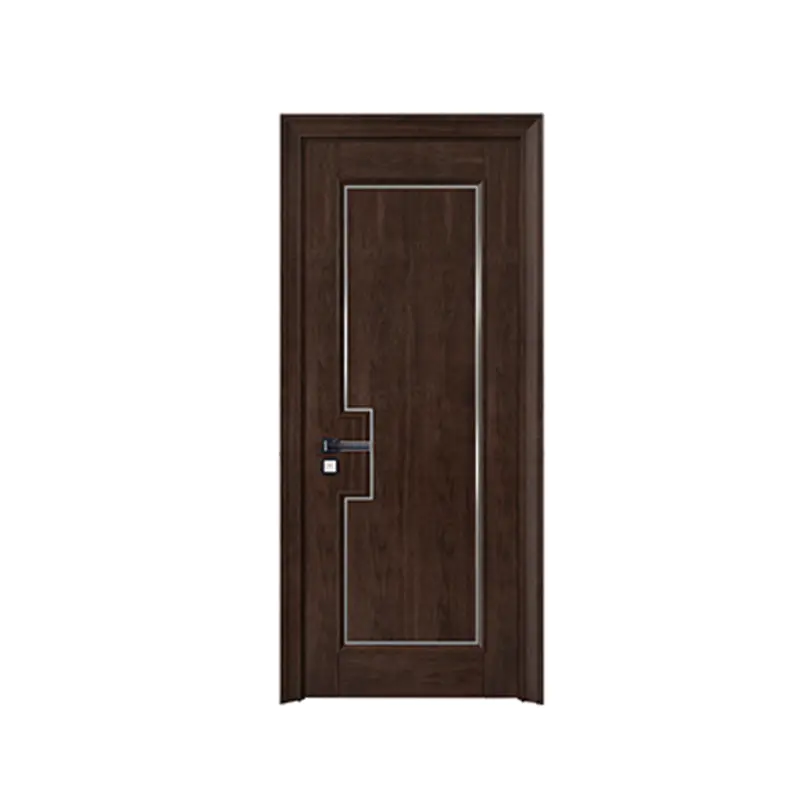
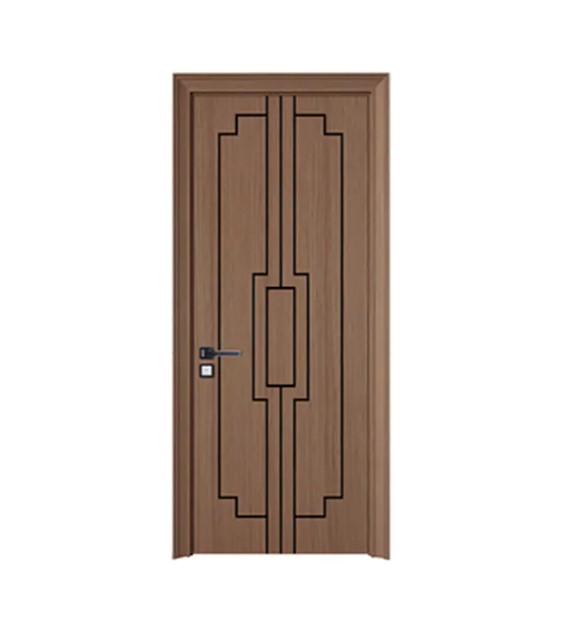
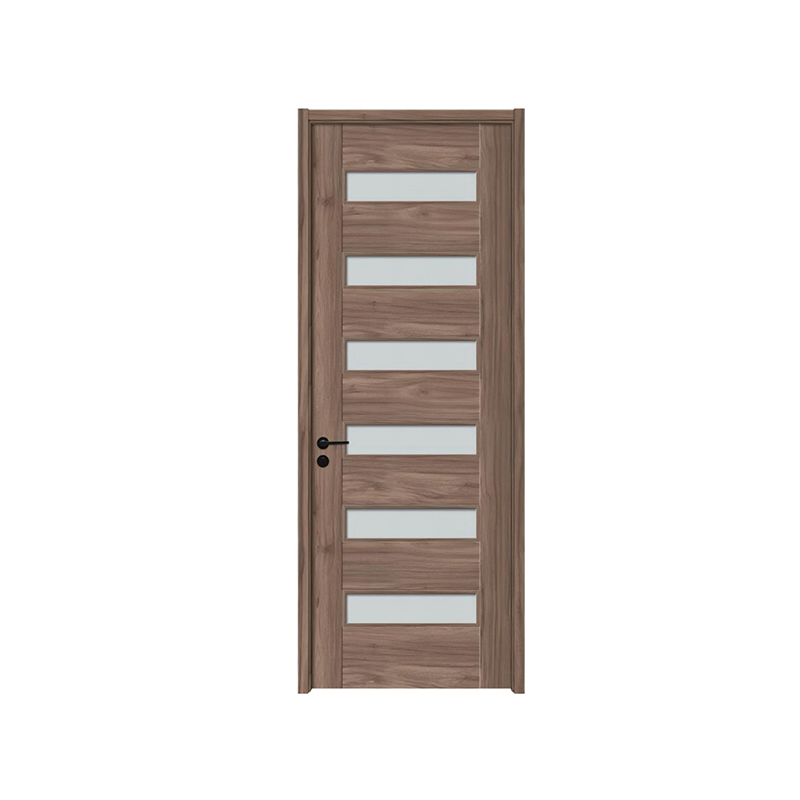
WPC Door category covers interior WPC doors for room entrances, bathroom-related spaces and home furnishing use. The listed construction is WPC material with a wood cement board core, a PVC veneer surface and a honeycombed inner frame layout, with a finished surface. The listed function is Water Tight Door. The doors are swing doors for interior positions.
Modern Texture and Decorative Designs

Zhejiang Shangpin Bense Home Furnishing Co., Ltd. was established in 2016 in the scenic Jiangshan City, Zhejiang Province. It is a WPC door factory China . In March 2019, the company's new plant was successfully completed and put into operation, marking that Shangpin Bense has entered a new stage of development.
The product matrix is rich and diverse, covering PVC MDF doors, crystal clear glass doors, exquisitely crafted painted doors, flexible and changeable assembly doors, practical and beautiful cabinet doors, and natural and elegant solid wood doors and other diversified home solutions, all presented with the "SUPERU" brand. In addition, we warmly accept ODM and OEM cooperation needs and flexibly meet the market's customized needs.
As an enterprise with independent export rights, Shangpin Bense Home's WPC bathroom door have entered the global market unimpeded and won wide praise from international customers. We sincerely invite partners from all over the world to send inquiries, seek common development, and create brilliance together!


A cupboard door can look quite different once it is installed. A finish that see...
View MoreWhy Does the Same Cabinet Color Look Different in Matte and Glossy Finishes? A c...
View MoreA door order rarely goes wrong because of the color. It usually goes wrong becau...
View MoreVeneer interior doors sit in a middle zone. They usually cost more than basic l...
View MorePicking an interior door often gets pushed to the bottom of a renovation checkl...
View MoreChoosing an interior door is not only about picking a color or deciding whether ...
View MoreA door is more than a color or a panel pattern. Material composition, internal structure, surface finish and installation conditions all decide how it holds up in daily use. A WPC door, short for Wood Plastic Composite door, combines wood-based materials with polymers. It comes in many surface designs and structural configurations, so it suits a range of interior spaces. Knowing how WPC doors are built, where they fit and which specifications matter helps project teams choose the right door for their design and installation needs.
What Is a WPC Door?
A WPC door is made with wood-plastic composite materials or a WPC-based construction. WPC generally blends wood fibers or wood powder with polymers and other additives. The exact composition depends on the manufacturing process and the product design.
Internal structure differs between doors. Some use composite material for key structural parts. Others combine a supporting frame, a core filling, a surface panel and a decorative covering. So the term "WPC door" does not describe one fixed construction.
SUPERU's WPC door range includes products with PVC veneer surfaces, honeycomb internal layouts and different core or frame configurations. The published specifications also mention wood-based and mixed-material components. Check these details for the model you select, because materials and structure vary across the range.
What Materials Are Used to Make WPC Doors?
The materials depend on the construction. Common groups include:
No door uses every one of these materials. A product may use a WPC component in one part and other materials for the core, frame or surface.
When you compare products, read the full material specification. Do not rely on the WPC label alone. This matters most for a bathroom or any area with regular moisture.
How Are WPC Doors Manufactured?
The process depends on whether the door uses formed WPC components, a composite panel or a mix of materials. A typical workflow covers material preparation, component forming, core and frame assembly, surface finishing and final inspection.
Material preparation: Wood-based ingredients, polymers and any additives are prepared to the product formulation.
Component forming: Composite materials are processed into the required profiles or panels. The method depends on the material and the production system.
Door assembly: The door leaf is assembled from the specified core, internal frame, panels and supporting parts. Honeycomb structures and mixed-material frames are examples used in certain models.
Surface finishing: PVC veneer or another specified covering gives the chosen color, texture and decorative detail. The surface treatment must suit the structure beneath it.
Quality inspection: Check dimensions, surface condition, panel alignment, edge treatment and hardware preparation against the agreed specification.
Construction details matter because the surface material alone does not decide how the whole door performs. Core design, frame materials, joints, edge finishing and installation all affect suitability for a given environment.
WPC Door Designs for Different Interior Styles
WPC doors come in many surface patterns and decorative finishes. Pick a design to match the architectural style, wall treatment, flooring and other interior elements.
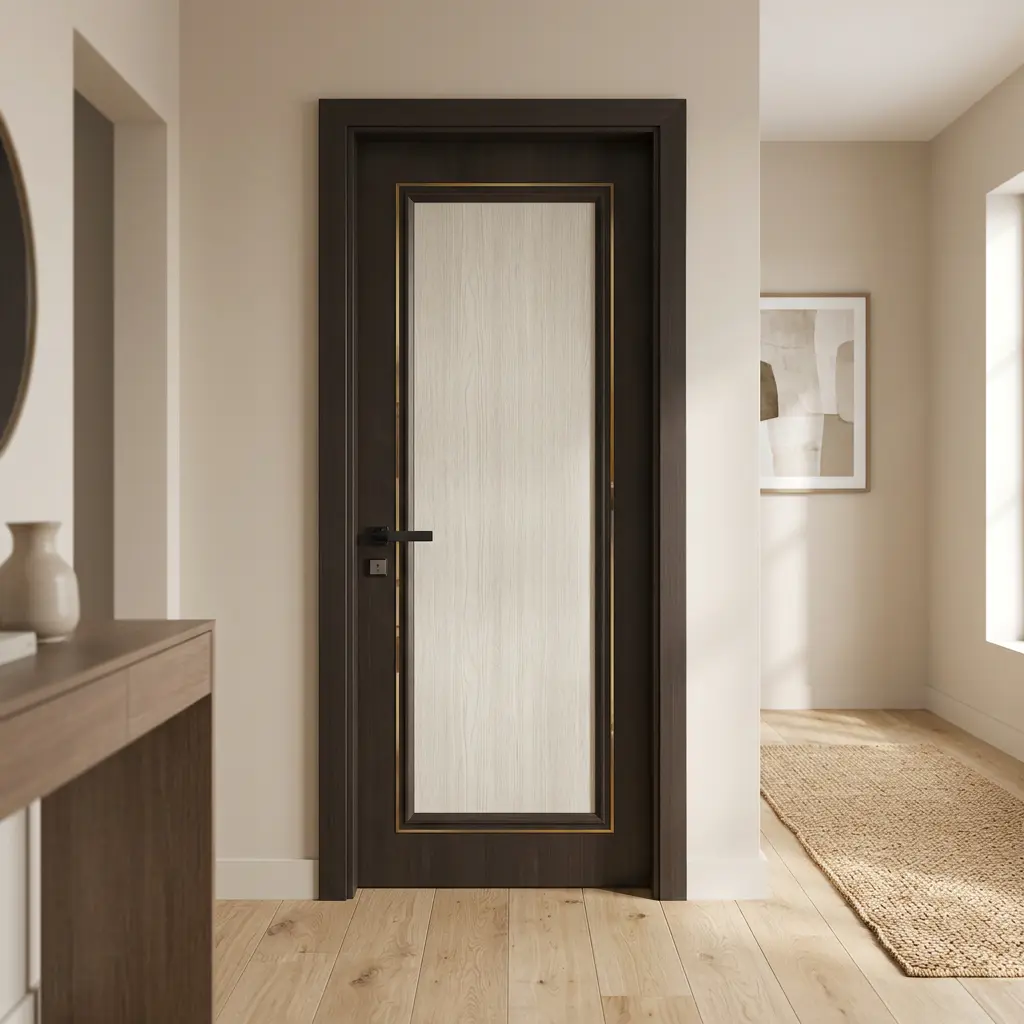
SUPERU's published collection includes horizontal and vertical textures, geometric patterns, black borders, silver line frames, golden decorative lines and other linear designs. Designers can use them to tie interior doors into a wider room scheme.
Consider the scale of the room and how much detail it already has. A door with several decorative lines can work in a simple interior. A restrained pattern keeps things consistent where wall panels or furniture are already detailed.
Are WPC Doors Suitable for Bathrooms?
Certain wood-plastic composite materials can resist moisture, so WPC doors are often considered for bathrooms. Suitability still depends on the complete door construction, not the material name.
Before you choose a WPC bathroom door, check these details:
Do not treat a WPC door as automatically waterproof. Standing water, a damaged surface covering or poorly protected openings can harm the door assembly. Bathrooms with frequent steam or direct water need extra thought on ventilation, installation details and the manufacturer's stated limits.
WPC interior doors can also go in bedrooms, corridors and other indoor spaces, provided the construction meets the needs of the location.
WPC Doors vs. Solid Wood, MDF and HDF Doors
These four door types differ in material and construction. Knowing the differences shows which specifications need attention.
|
Door Type |
Main Material |
Common Design Features |
Key Selection Considerations |
|---|---|---|---|
|
WPC Door |
Wood-plastic composite or a WPC-based assembly |
Textures, linear patterns, decorative borders and PVC-covered surfaces |
Core structure, frame materials, surface covering and moisture exposure |
|
Solid Wood Door |
Natural timber components |
Natural grain, rectangular panels, carved details and wood finishes |
Wood species, timber construction, moisture changes and maintenance |
|
MDF Door |
Medium-density fiberboard |
Smooth panels, decorative profiles and different surface finishes |
Panel construction, finish, edge treatment and intended environment |
|
HDF Moulded Door |
Moulded high-density fiberboard skin with a specified internal structure |
Recessed panels, arches and formed decorative patterns |
Skin construction, core, surface finish and installation requirements |
The main difference is material and construction method. Solid wood doors use natural timber. MDF and HDF doors use engineered wood fibers. WPC doors use wood-plastic composite or a construction that includes WPC components.
Performance varies by model. A WPC door with a PVC covering and a suitable core can behave differently in moisture from one with exposed edges or another internal frame. Judge sound insulation, impact resistance, fire performance and structural strength from the specifications and test data for the whole door.
Base the choice on the appearance you need, the environment, maintenance expectations and project specifications. The material name alone is not enough.
How Do Surface Finishes Affect WPC Door Appearance and Maintenance?
The surface finish sets much of a door's visual character. Horizontal and vertical textures change its apparent proportions. Decorative lines add contrast and detail. PVC veneer can give a consistent color or patterned finish, depending on the product.
A smooth surface may wipe clean more easily than a deeply textured one, though real cleaning needs depend on the finish. Check that decorative lines and edge details are aligned and neat.
Choose color with the flooring, wall color, cabinet finishes and hardware in mind. On projects with several doors, one finish and design language keeps the interior coordinated.
What Should Be Checked Before Choosing a WPC Door?
A clear specification makes sure the door fits the opening and meets the design requirements. Before you confirm a model, review these items:
These checks suit a single room or a project with many openings. Name the door model and its construction in the final specification. Two products that look alike are not interchangeable.
What Customization Options Are Available for WPC Doors?
Customization lets a WPC door match a project's visual design and installation needs. Available options depend on the model and manufacturing scope.
Discuss these points with the manufacturer:
SUPERU provides OEM and ODM services for its door range. Its published customization options are color selection, filling, frame, opening direction and hardware. Confirm the availability of specific WPC surface patterns, materials, dimensions and structural combinations for your chosen model.
If your project has defined interior specifications, confirm drawings, dimensions, color references and hardware positions before production. That makes it easier to coordinate the door with the surrounding interior and the installation plan.
How Should WPC Doors Be Cleaned and Maintained?
Care depends on the surface finish and internal construction. Follow the manufacturer's instructions for your model, especially in a bathroom or other humid space.
What Is a WPC Door?
It is a door made with wood-plastic composite materials or a WPC-based construction. It may combine composite components with a core, internal frame and surface covering. Exact materials and structure depend on the model.
What Materials Are Used to Make WPC Doors?
WPC commonly combines wood fibers or wood powder with polymers such as PVC, polyethylene or polypropylene. A finished door may also have a supporting frame, core filling and a decorative surface layer. Not every model uses the same materials.
Are WPC Doors Suitable for Bathrooms?
Some are, because their materials and surface construction can resist moisture. Suitability depends on the core, surface covering, edge protection, hardware openings and installation. Confirm the manufacturer's specifications before using a door in a wet environment.
What Is the Difference Between WPC Doors and Solid Wood Doors?
WPC doors use wood-plastic composite or a WPC-based assembly. Solid wood doors use natural timber as a key part of their structure. They also differ in appearance, maintenance needs and response to environmental conditions.
What Is the Difference Between WPC Doors and MDF Doors?
WPC doors include wood-plastic composite materials. MDF doors use medium-density fiberboard. Core structure, surface finish and moisture behavior can differ. Check the full product specification when comparing the two.
What WPC Door Designs Are Available?
Common options include horizontal and vertical textures, geometric patterns, black borders, raised lines, silver line frames and golden decorative details. SUPERU's published collection covers several of these directions.
Can WPC Interior Doors Be Customized in Size, Color, and Design?
It depends on the selected model and manufacturing scope. SUPERU offers OEM and ODM services, with options for color, filling, frame, opening direction and hardware. Confirm specific dimensions and surface designs before production.
How Should WPC Doors Be Cleaned and Maintained?
Use a soft cloth and a cleaning method that suits the surface. Avoid abrasive products, remove standing water, inspect edges and coverings, and check hardware regularly. Follow the manufacturer's maintenance guidance for your model.
Choosing a WPC door means weighing material composition, internal structure, surface design and installation conditions. For a bathroom, verify the moisture-related specifications. Do not rely on the WPC label alone. For other interior spaces, look at texture, color, frame and hardware alongside the overall design. Clear specifications and early coordination with the manufacturer keep the door in line with the project's look and installation needs.
Copyright © Zhejiang Shangpin Bense Home Furnishing Co., Ltd.

WPC Door Supplier China
 русский
 عربى
 Français
 Español