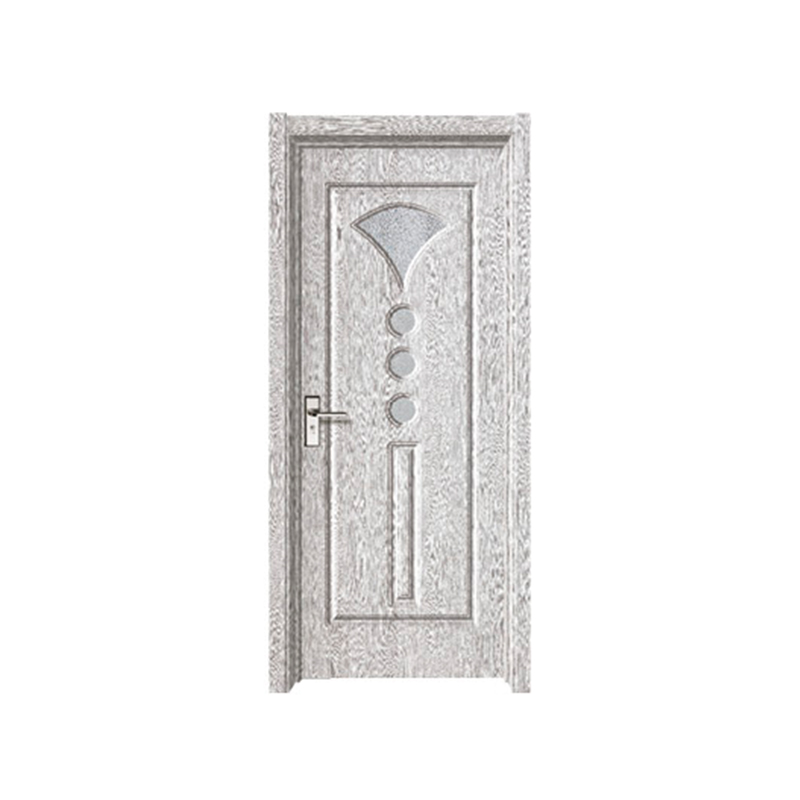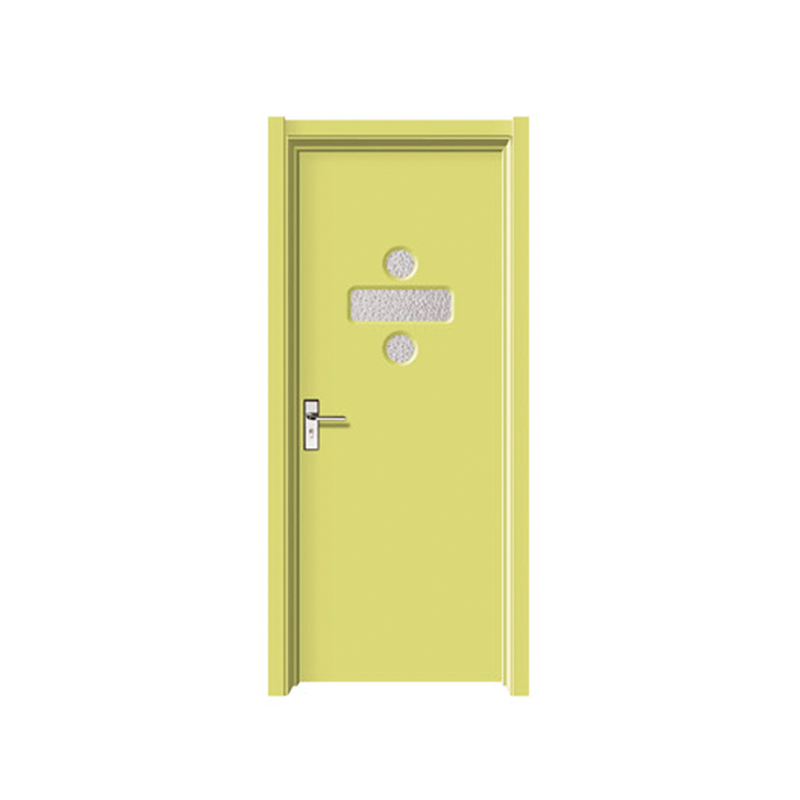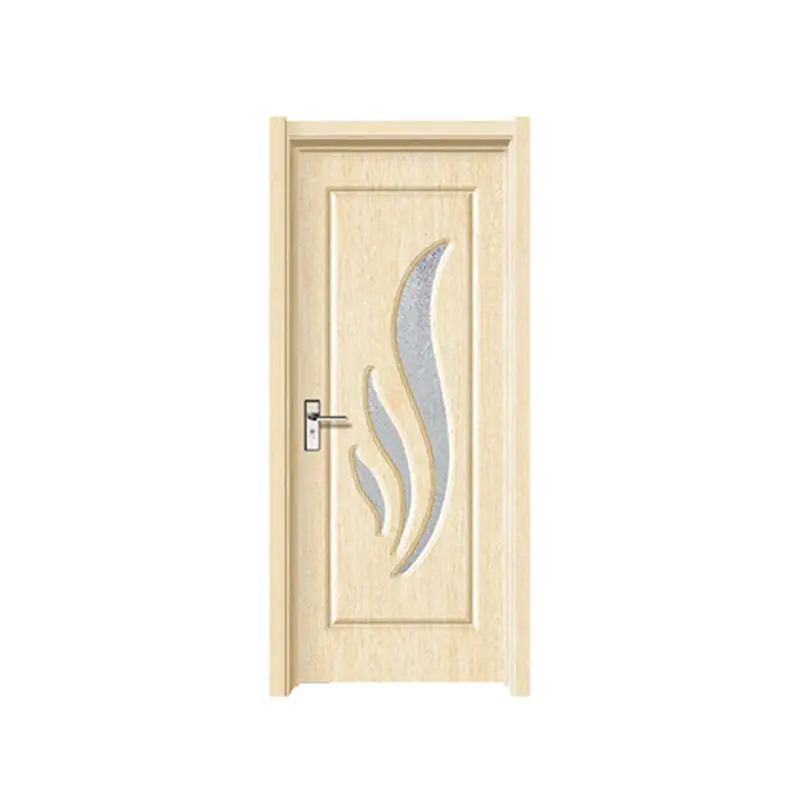


| Specification | Details |
|---|---|
| Product Type | Veneer Painted Door |
| Product Material | Timber + MDF Composite + Veneer |
| Door Style | Modern Style |
| Door Structure | MDF / Plywood Panels with Veneer Finish |
| Veneer Type | Natural Veneer / Engineered Veneer |
| Paint Type | Water-Based Paint / Oil-Based Paint |
| Surface Finish | Gloss / Semi-Gloss / Matte |
| Panel Thickness | 4 mm / 6 mm / 8 mm |
| Core Filling | Honeycomb Paper, Tubular Chipboard, Solid Wood Strips or LVL Strips |
| Door Leaf Thickness | 35 / 40 / 45 / 50 mm; Standard: 40 mm |
| Standard Door Size | 2000 × 800 × 40 mm |
| Customized Size Range | Width: 600–1050 mm; Height: 1950–2150 mm |
| Door Frame Material | Solid Wood / Veneer-Finished MDF |
| Opening Style | Swing |
| Opening Direction | Inward |
| Glass Option | With Glass / Without Glass |
| Color | Customizable |
| Handle Position | Customizable |
| Application | Interior Spaces |
| Packaging | Export Carton with Pearl Cotton and Corner Protectors |
| Origin | China |
| HS Code | 4418290090 |
| Production Capacity | 10,000 PCS / Month |
Veneer painted doors bring together the look of natural wood and the color options of a painted finish. A wood veneer surface is applied to MDF or plywood panels, then finished with multiple coats of paint. The grain remains part of the door's appearance, while the paint gives the surface a more defined finish. This makes the style suitable for interiors where plain painted panels or exposed wood alone may not match the design.
Oak, walnut, cherry, ash and teak are among the wood species used for veneer doors. Sapele and maple are also available. Each has a different grain pattern and natural color. Natural veneer keeps the variations found in real wood, while engineered veneer has a more regular pattern.
The surface can be finished in gloss, semi-gloss or matte. Open-pore finishes leave more of the wood texture visible, while closed-pore finishes give the panel a more covered appearance. Water-based and oil-based paint options are available. Colors can be selected from a RAL chart or matched to a sample supplied by the customer.
Not every project uses the same door design. Some require a solid panel, while others include glass or decorative lines. The color, handle position and other details can be discussed before production.
Decorative details can give the same veneer finish a very different look. Design options include gold or silver frame details, glass panels, black borders, black line patterns and colored lines. Modern rectangular patterns and vertical lines are also available. For a simpler interior, the door can have a plain surface with the wood grain as its main feature.
These doors are used in mid-to-high-end residential interiors, including apartments and villas, as well as boutique hotels, serviced residences, executive offices and clubhouses. They are also suitable for commercial interiors where the door finish needs to coordinate with furniture, wall panels and other decorative materials.

Zhejiang Shangpin Bense Home Furnishing Co., Ltd. was established in 2016 in the scenic Jiangshan City, Zhejiang Province. It is a wood veneer interior door factory . In March 2019, the company's new plant was successfully completed and put into operation, marking that Shangpin Bense has entered a new stage of development.
The product matrix is rich and diverse, covering PVC MDF doors, crystal clear glass doors, exquisitely crafted painted doors, flexible and changeable assembly doors, practical and beautiful cabinet doors, and natural and elegant solid wood doors and other diversified home solutions, all presented with the "SUPERU" brand. In addition, we warmly accept ODM and OEM cooperation needs and flexibly meet the market's customized needs.
As an enterprise with independent export rights, Shangpin Bense Home's custom veneer painted doors have entered the global market unimpeded and won wide praise from international customers. We sincerely invite partners from all over the world to send inquiries, seek common development, and create brilliance together!


A wardrobe may look well designed on paper, but small details can affect how it...
View MoreA cupboard door can look quite different once it is installed. A finish that see...
View MoreWhy Does the Same Cabinet Color Look Different in Matte and Glossy Finishes? A c...
View MoreA door order rarely goes wrong because of the color. It usually goes wrong becau...
View MoreVeneer interior doors sit in a middle zone. They usually cost more than basic l...
View MorePicking an interior door often gets pushed to the bottom of a renovation checkl...
View MoreInterior doors are often selected after the main furniture, flooring and wall finishes have been decided. By that stage, the color and style of the door need to fit into a design that is already taking shape. This is one reason veneer painted doors are considered for apartments, villas, hotels and other interior projects.
They bring together a wood veneer surface and a painted finish, so the result does not have to look like a traditional wood door. Some designs keep the grain visible, while others use a more uniform color with decorative lines, framed panels or glass details. The choice of veneer, coating and internal construction also gives projects room to adjust the finished door to different requirements.
There are a few details that deserve attention before choosing a model. Veneer species affect the appearance, the paint finish changes how the surface looks under light, and the internal structure is worth checking even though it cannot be seen after installation.
The veneer is one of the first things people notice when looking at this type of door. Natural veneer is cut from real wood, so its grain and color can vary. Even pieces from the same species may not look exactly alike. For some interiors, that variation is part of the appeal.
Engineered veneer is made through a manufacturing process that creates a more controlled wood pattern. It can be useful when a project needs a more regular appearance across a number of doors. Neither option automatically suits every design. The decision comes down to the look required and how much variation is acceptable.
Common veneer choices include oak, ash, sapele, walnut, teak, cherry and maple. Their colors and grain patterns are quite different. Oak and ash have noticeable grain, walnut has a deeper appearance, and maple is often chosen for lighter interiors. Looking at actual samples is a practical way to compare them, especially when the doors will be installed close together.
Veneer may also be supplied in different appearance grades, such as A, AA and AAA. These grades relate to visual features including knots, grain and color variation. The grading criteria should be confirmed with the supplier, since the name of a grade alone does not show exactly how a finished batch will look.
Paint changes the character of the veneer. A glossy surface reflects more light and gives the door a noticeable shine. Semi-gloss has a softer reflection, while matte finishes have very little shine. The right choice often depends on the lighting and materials already used in the room.
Another point is how much of the wood texture should remain visible. An open-pore finish allows more of the grain to show through. A closed-pore finish gives the surface a more covered appearance. If the natural texture is an important part of the design, this detail should be discussed when selecting the finish.
Color matching can take a little more care than expected. A RAL reference or customer color sample provides a starting point, but the actual result should be checked on a finished sample. Lighting, surrounding colors and the coating itself can all affect how a shade appears. This matters particularly in hotels and apartment projects where several doors need to follow the same color scheme.
Not every interior needs a door with an elaborate pattern. In some rooms, a plain panel with a carefully chosen finish is enough. Other projects call for more detail, particularly when the door is part of a feature wall or a coordinated interior scheme.
Available design directions can include vertical lines, rectangular patterns, black borders, colored lines and textured surfaces. Gold or silver frame details add another visual element, while glass sections can change the relationship between the door and the adjoining space.
When comparing designs, think about what is already in the room. A door with several lines and contrasting borders may look out of place beside heavily patterned furniture or wall panels. A simpler surface can be easier to use throughout an apartment. In a hotel or commercial interior, repeating one design across several openings can help the spaces feel connected.
Veneer painted doors are used in a range of indoor settings. In homes and villas, they can be selected for bedrooms, studies and other interior rooms. Apartment projects often need a consistent finish across multiple units, while hotels and serviced residences may use different designs for guest rooms and shared areas.
Offices, clubhouses and commercial interiors have their own requirements. Some call for understated colors and simple panels; others use decorative frames or glass to follow a particular design concept. The door should make sense alongside the rest of the interior rather than being selected as a separate item.
One thing to keep in mind is the installation environment. A regular interior door is not automatically suitable for outdoor use or places exposed to frequent water contact. Bathrooms and humid areas need particular attention. Ask about the suitability of the complete door construction instead of assuming that a painted surface makes the door waterproof.
Veneer painted doors are sometimes compared with PVC MDF, melamine and solid wood doors. They may serve similar purposes, but their surface materials and construction are different.
| Door Type | Surface Material | Appearance | Selection Considerations |
|---|---|---|---|
| Veneer Painted Door | Wood veneer with a painted finish | Wood grain with a choice of painted surface effects | Veneer species, grain variation and coating appearance |
| PVC MDF Door | PVC film on an MDF-based panel | Decorative film colors, patterns and textures | Film finish, panel structure and edge details |
| Melamine Door | Decorative paper with a melamine resin finish | Printed wood patterns and other surface designs | Pattern selection, substrate and edge treatment |
| Solid Wood Door | Natural wood components | Natural wood grain and color variation | Wood species, construction and moisture conditions |
The difference is mainly in the materials used and the appearance they create. A veneer painted door is worth considering when a project calls for a wood-based surface with a particular painted effect. PVC MDF and melamine doors offer other decorative surface choices, while solid wood doors use natural wood components for their main construction.
It is helpful to compare real samples rather than relying on product names or photographs. Similar-looking doors can have very different structures beneath the surface.
The inside of a door is easy to overlook because most of the attention goes to the visible panel. However, the core and supporting frame are part of the product specification and should be understood before ordering.
For this product range, the two-sided veneer panels use MDF or plywood as the substrate. Internal filling options include honeycomb paper, tubular chipboard, finger-jointed solid wood strips and LVL strips. These are different construction choices, not simply different names for the same material.
The door frame can be made from solid wood or MDF with a veneer finish. Matching the frame and trim to the door leaf helps keep the opening visually consistent. The frame also needs to suit the wall thickness at the installation site.
If the project has specific requirements for door weight or construction, discuss them with the manufacturer. A quotation should identify the proposed filling and frame materials clearly, rather than leaving these details open to interpretation.
Measurements are easier to deal with before the walls and openings are finished than after the doors arrive on site. For projects with multiple openings, a door schedule can help keep the sizes and opening directions organized.
The standard size for this product range is 2000 × 800 × 40 mm. Door leaf thickness options are 35 mm, 40 mm, 45 mm and 50 mm, with 40 mm as the standard. Panel thickness options are 4 mm, 6 mm and 8 mm.
The available width range is 600–1050 mm, and the listed height range is 1950–2150 mm. Dimensions outside these ranges need separate confirmation. The final measurements should be checked against the actual openings and the selected frame arrangement.
For a project order, it is useful to list each door separately. Include its width, height, thickness and opening direction. This avoids having to work out which measurement belongs to which room when the order is being reviewed.
A custom door inquiry does not need to be complicated, but a few clear details can save time during communication. A photograph may show the general style, for example, but it may not explain the veneer species, paint finish or exact position of a glass panel.
For an initial inquiry, the following information is useful:
Some of these details may still be undecided when the project is at the planning stage. That is normal. A drawing, reference photo or basic schedule is often enough to begin a discussion. The final materials, colors and dimensions can be confirmed once the design has been reviewed.
Photos are useful for discussing a general direction, but they cannot always show the exact grain, color or surface reflection of a finished door. This is particularly noticeable with natural veneer, where the pattern can vary from one piece to another.
For a larger order, a sample gives everyone a shared reference. It can be used to check the veneer appearance, paint color, gloss level and decorative details. If the project includes several different door designs, it is helpful to identify each approved sample clearly so that the specifications do not get mixed up.
It is also worth checking the frame and trim samples when they form part of the same order. A door leaf may look right on its own, but the overall appearance can change if the frame color or moulding profile is different.
Yes, particularly when natural veneer and an open-pore finish are used. The amount of visible grain depends on the veneer and coating selected. A more covered finish will create a different look.
Not necessarily. Natural veneer comes from real wood, so differences in grain and color are normal. If a project needs a more regular pattern, engineered veneer may be worth discussing. Sample approval is useful when appearance consistency is important.
Color matching can be discussed using a RAL reference or a customer-provided sample. The final shade should be checked on a finished sample, since a digital image may not show the actual surface appearance accurately.
That depends on the humidity conditions and the construction of the selected door. A painted finish alone does not make the product waterproof. Check the suitability of the panel, edges, joints and coating with the manufacturer before using it in a bathroom.
Yes. The frame can be coordinated with the door leaf through matching veneer and paint. Matching trim can also be selected. Wall thickness and the required trim profile should be provided when preparing the order.
A soft cloth is generally a sensible starting point. Avoid abrasive pads and strong cleaning chemicals unless they are approved for the coating. Follow the manufacturer's care instructions and do not leave water sitting around the edges or joints.
Choosing a veneer painted door is largely about getting the details right. The wood species sets the character of the surface, the coating affects its final appearance, and the internal construction needs to match the intended use. Reviewing samples and confirming the measurements, frame and design before production can make the ordering process much clearer.
Copyright © Zhejiang Shangpin Bense Home Furnishing Co., Ltd.

Veneer Door Manufacturer Offering Modern Styles, Finishes and Sizes
 русский
 عربى
 Français
 Español