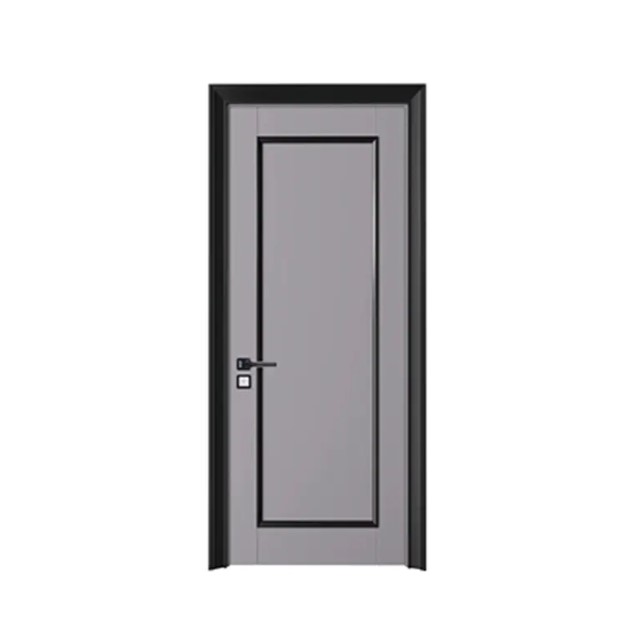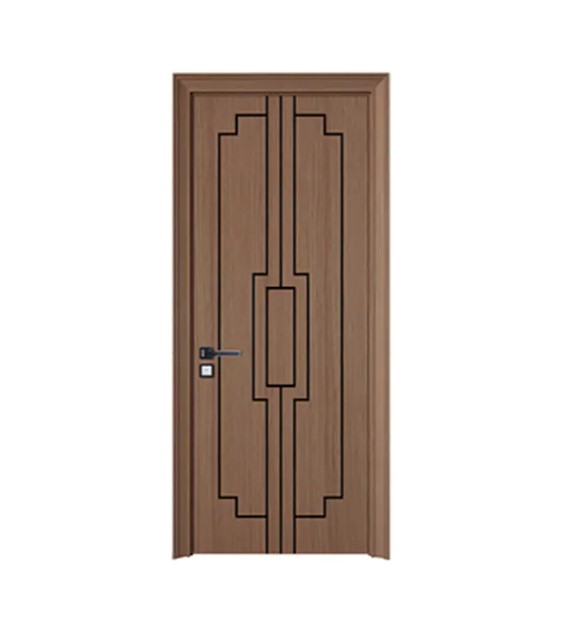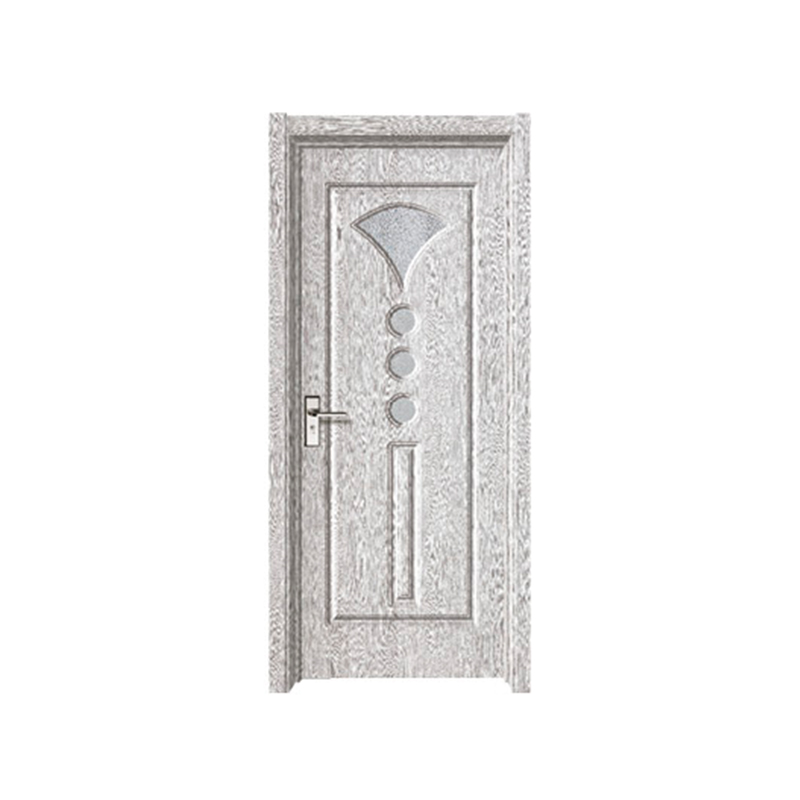


| Parameter | Value |
|---|---|
| Product Material | Wood + Melamine board |
| Style | Modern Style |
| Type | Melamine Door |
| Open Style | Swing |
| Opening Direction | Inward |
| Glass | Without Glass / With Glass |
| Color | Colors can be customized according to the color chart |
| Special Function | Security |
| Surface Finishing | Finished |
| Handle Position | Customized |
| Position | Interior |
| Material | MDF |
| Filling Material | MDF strips / solid wood / ply wood / paper / chipboard / foam board / honeycomb paper (Can be customized) |
| Door Thickness | 1 3/8 Inches |
| Panel Thickness | 5/6 mm |
| Width | 24 inches / 28 inches / 30 inches / 32 inches |
| Height | 80 Inches |
| Packing | Film and Pallet |
| 20GP Container Quantity | 200 sets |
| Package Size | 2200.00cm * 950.00cm * 14.00cm |
| Package Gross Weight | 45.000kg |
| Transport Package | Carton |
| Specification | Customized |
| Origin | China |
| HS Code | 4418290090 |
| Production Capacity | 10000 PCS/Month |
Melamine Door category covers modern interior doors made from Wood + Melamine board and MDF. It includes Custom Melamine Doors for interior room entrances, home furnishing spaces and interior door systems. The listed specifications are modern style, finished surface, swing opening, inward opening direction and interior position.
Customization and Options

Zhejiang Shangpin Bense Home Furnishing Co., Ltd. was established in 2016 in the scenic Jiangshan City, Zhejiang Province. It is a OEM melamine door manufacturer . In March 2019, the company's new plant was successfully completed and put into operation, marking that Shangpin Bense has entered a new stage of development.
The product matrix is rich and diverse, covering PVC MDF doors, crystal clear glass doors, exquisitely crafted painted doors, flexible and changeable assembly doors, practical and beautiful cabinet doors, and natural and elegant solid wood doors and other diversified home solutions, all presented with the "SUPERU" brand. In addition, we warmly accept ODM and OEM cooperation needs and flexibly meet the market's customized needs.
As an enterprise with independent export rights, Shangpin Bense Home's melamine interior doors have entered the global market unimpeded and won wide praise from international customers. We sincerely invite partners from all over the world to send inquiries, seek common development, and create brilliance together!


A cupboard door can look quite different once it is installed. A finish that see...
View MoreWhy Does the Same Cabinet Color Look Different in Matte and Glossy Finishes? A c...
View MoreA door order rarely goes wrong because of the color. It usually goes wrong becau...
View MoreVeneer interior doors sit in a middle zone. They usually cost more than basic l...
View MorePicking an interior door often gets pushed to the bottom of a renovation checkl...
View MoreChoosing an interior door is not only about picking a color or deciding whether ...
View MoreA melamine door is an interior door whose surface is decorative paper soaked in melamine resin and bonded to an engineered wood panel. The surface is clean, the design range is wide, and the look stays consistent across a project. Depending on the core, edge treatment and overall construction, these doors suit bedrooms, offices, apartments and other indoor spaces.
Architects, interior designers, contractors and door product companies need to look past color. Surface finish, core structure, thickness, edge sealing, hardware and opening direction all decide how the door fits a project. Knowing these details lets teams compare products and write a clear specification before manufacturing.
What Is a Melamine Door?
A melamine door pairs a decorative surface with a supporting door panel. The surface layer is usually paper treated with melamine resin. In production it is bonded to a substrate under controlled heat and pressure. The result can be a solid color, a wood-grain pattern or another decorative design.
"Melamine door" describes the surface finish, not one fixed core structure. The substrate, internal filling, frame and edge treatment differ from product to product. Confirm these when you compare suppliers.
What Materials Are Used in Melamine Doors?
A melamine interior door generally uses three groups of materials:
Each part does a different job. The surface sets the visible finish. The substrate and internal structure affect weight, rigidity and overall performance. Edge banding or other edge treatment covers exposed panel edges and gives a finished look.
Write the actual materials into the product specification. The word "melamine" alone is not enough.
How Are Melamine Doors Manufactured?
Methods vary, but production commonly runs through these stages:
Steady material selection and process control keep the look consistent across a production run. For custom projects, confirm the design drawing, surface sample, dimensions and hardware requirements before production starts.
Which Melamine Door Designs Are Available?
Melamine doors come in many styles for different interior plans. A plain flat panel fits a minimalist room. Lines, recessed details or decorative accents give a more distinctive look.
Design options may include:
Color changes how the door works with the space. White, beige, gray and other neutrals support a restrained palette. Wood-grain patterns add warmth. Darker colors or metallic accents create contrast.
Look at wall color, flooring, cabinetry, lighting and hardware together. A door that coordinates with them makes the interior feel unified.
Where Can Melamine Interior Doors Be Used?
Consider melamine interior doors for bedrooms, studies, living areas, offices, apartments and other indoor settings where the specified construction meets the project's needs.
The decorative surface options make it easy to coordinate doors across many rooms. In apartment developments or hospitality interiors, one color and panel design keeps the look unified. In offices, simple patterns and neutral finishes pair well with contemporary furniture and wall systems.
Suitability depends on the core, edge treatment, hardware, installation conditions and moisture exposure. Do not assume a standard melamine door suits a wet room or any area with frequent direct water contact. For bathrooms and other humid places, confirm the manufacturer's moisture-related specifications and choose a construction made for those conditions.
Melamine Doors vs. PVC MDF Doors, HDF Moulded Doors, and Solid Wood Doors
Door types differ in surface material and construction. The right pick depends on the design brief, installation environment, maintenance expectations and budget.
|
Door Type |
Surface and Construction |
Design Considerations |
Points to Check |
|---|---|---|---|
|
Melamine Door |
Decorative melamine surface bonded to an engineered wood panel |
Solid colors, wood-grain patterns, geometric details and simple modern designs |
Core material, edge treatment, surface texture and moisture suitability |
|
PVC MDF Door |
PVC film applied to an MDF-based panel |
A range of colors, profiles and decorative shapes |
Film adhesion, edge finishing, panel construction and heat or moisture conditions |
|
HDF Moulded Door |
Moulded HDF door skins assembled with a suitable internal structure |
Often used for traditional panel designs and defined moulded patterns |
Skin thickness, internal filling, frame construction and finish |
|
Natural Solid Wood Door |
Natural wood components form the door structure |
Visible wood grain and natural variation in color and texture |
Wood species, moisture content, construction method, finish and maintenance needs |
Melamine doors fit projects that need a coordinated decorative finish and a defined panel design. PVC MDF doors may suit projects that want a different film finish or shaped surface. HDF moulded doors offer another route to panel-style designs. Solid wood doors are chosen for their natural character.
These categories are not interchangeable everywhere. Real performance depends on the materials, construction, manufacturing quality and installation conditions of each product.
What Factors Affect the Quality of a Melamine Door?
Quality depends on the full construction, not just the visible finish. Before you specify a product, review these points:
Ask for material information and samples before you finalize a specification. If the door will go in a humid area or see heavy use, ask the manufacturer for test data and maintenance guidance instead of accepting general descriptions.
Can Melamine Doors Be Customized in Color, Size, and Design?
Yes. Options depend on the manufacturer's production capability and the chosen construction. For OEM and ODM projects, the specification may cover:
SUPERU lists customization options for color selection, filling, frame design, opening direction and hardware. These give you a base for discussing specifications around your interior style and installation needs.
To cut revisions, prepare dimensions, reference images, finish samples, hardware details and installation information before you confirm the design. For projects across several rooms or properties, approve a sample door or finish sample first, so you can check the look before the full production run.
What Materials Are Used in Melamine Doors?
The surface is typically melamine resin-impregnated decorative paper. The supporting panel may be MDF or particleboard. The internal structure can use different fillings depending on the design. Confirm the exact combination in the product specification.
What Is the Difference Between Melamine and PVC Door Finishes?
Melamine finishes use resin-treated decorative paper bonded to a panel. PVC finishes use a plastic film applied to the surface. They differ in texture, production method, available designs and care needs. The right one depends on the door construction and the installation environment.
Are Melamine Doors Suitable for Bathrooms?
Some may be, if the complete door is specified for the expected humidity and use. A standard melamine surface does not make the whole door waterproof. Check the substrate, edges, joints and the manufacturer's moisture-related specifications before choosing a bathroom door.
What Is the Difference Between Melamine Doors and Solid Wood Doors?
Melamine doors have a resin-treated decorative paper surface on an engineered panel. Solid wood doors use natural wood as a main structural material. Melamine gives consistent patterns and coordinated colors. Solid wood gives natural grain and variation. Weight, upkeep, cost and response to environmental change depend on the specific construction and materials.
What Factors Affect the Quality of a Melamine Door?
Key factors are the surface material, substrate, internal filling, bonding process, edge finishing, dimensional accuracy and hardware installation. For custom projects, inspection standards and a close match between the approved sample and the finished product also count.
Can Melamine Doors Be Customized in Color, Size, and Design?
Customization may cover colors, surface patterns, panel details, dimensions, internal filling, frame styles, opening directions and hardware. Options vary by manufacturer and model. Confirm the production range and technical requirements before you finalize the design.
How Should Melamine Interior Doors Be Cleaned and Maintained?
Use a soft cloth and a mild cleaner suited to the surface. Avoid abrasive pads, harsh chemicals and excess water. Wipe spills quickly, keep edges and joints dry, and follow the manufacturer's care instructions. Check hinges, locks and handles from time to time so the door keeps working properly.
Treat the surface finish, core material, edge treatment, dimensions, hardware and installation environment as one system when you specify melamine interior doors. Clear drawings and confirmed material details keep the finished product in line with project requirements. SUPERU offers OEM and ODM customization for interior doors, so design and construction details can be settled before production.
Copyright © Zhejiang Shangpin Bense Home Furnishing Co., Ltd.

China Melamine Doors
 русский
 عربى
 Français
 Español