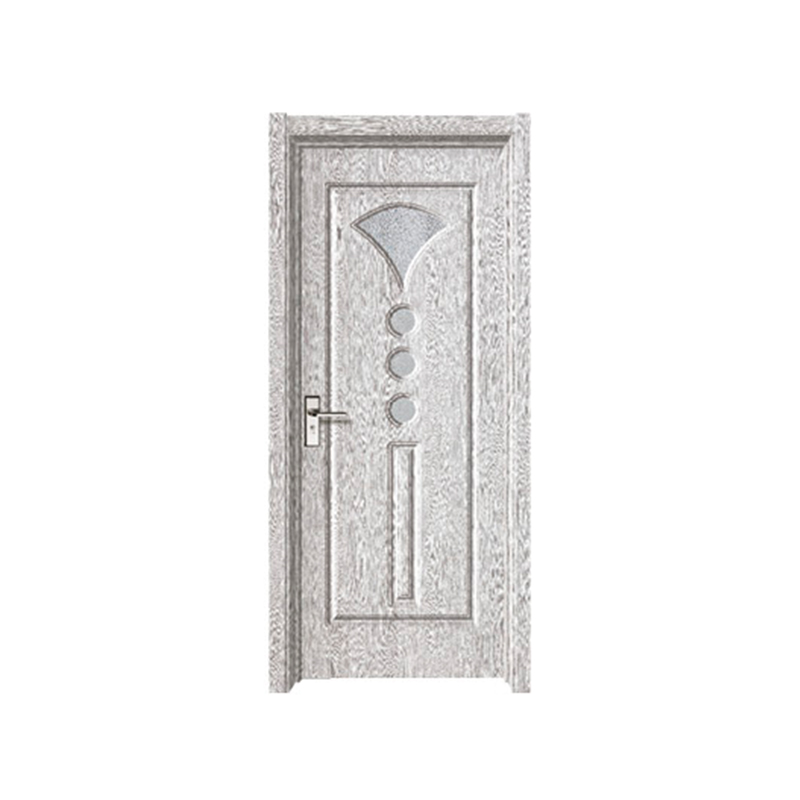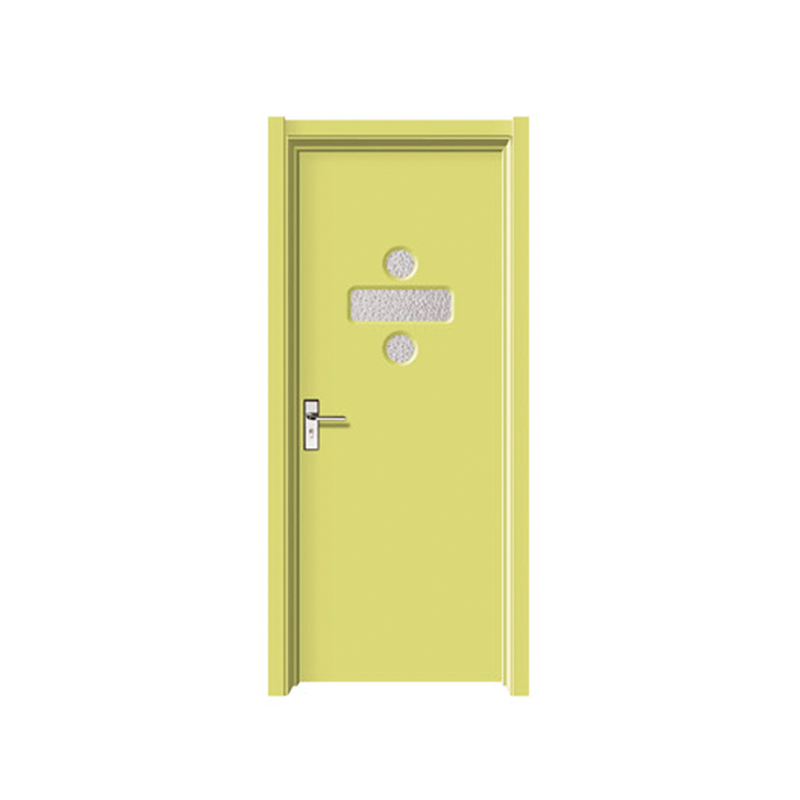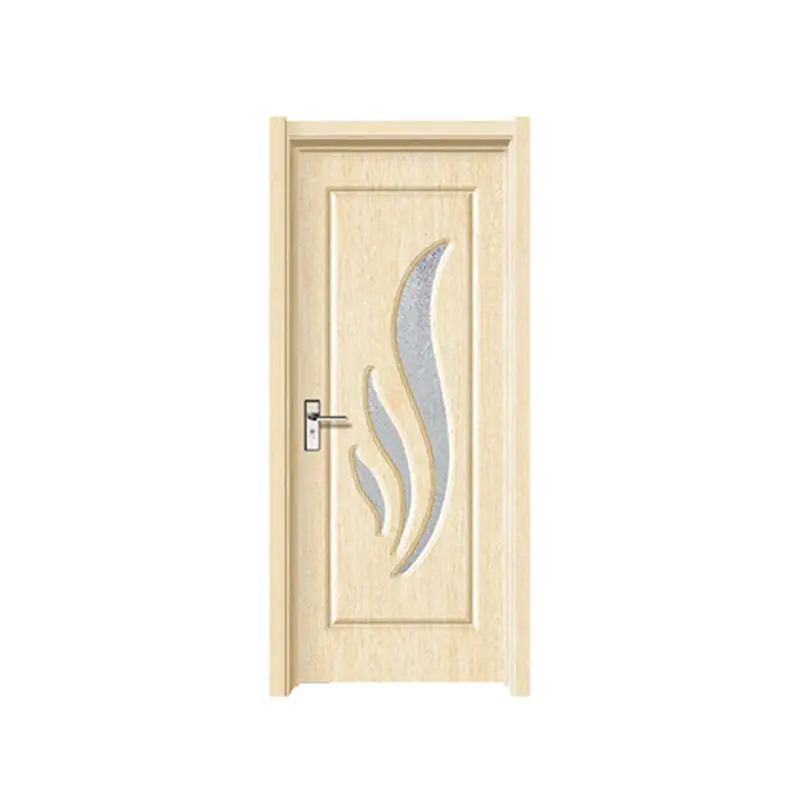


Zhejiang Shangpin Bense Home Furnishing Co., Ltd. was established in 2016 in the scenic Jiangshan City, Zhejiang Province. It is a WPC door factory China . In March 2019, the company's new plant was successfully completed and put into operation, marking that Shangpin Bense has entered a new stage of development.
The product matrix is rich and diverse, covering PVC MDF doors, crystal clear glass doors, exquisitely crafted painted doors, flexible and changeable assembly doors, practical and beautiful cabinet doors, and natural and elegant solid wood doors and other diversified home solutions, all presented with the "SUPERU" brand. In addition, we warmly accept ODM and OEM cooperation needs and flexibly meet the market's customized needs.
As an enterprise with independent export rights, Shangpin Bense Home's WPC bathroom door have entered the global market unimpeded and won wide praise from international customers. We sincerely invite partners from all over the world to send inquiries, seek common development, and create brilliance together!


A wardrobe may look well designed on paper, but small details can affect how it...
View MoreA cupboard door can look quite different once it is installed. A finish that see...
View MoreWhy Does the Same Cabinet Color Look Different in Matte and Glossy Finishes? A c...
View MoreA door order rarely goes wrong because of the color. It usually goes wrong becau...
View MoreVeneer interior doors sit in a middle zone. They usually cost more than basic l...
View MorePicking an interior door often gets pushed to the bottom of a renovation checkl...
View MoreWPC doors are used in private homes as well as apartments, hotels and other commercial buildings. The requirements can vary from one project to another. A homeowner may spend more time comparing colors and decorative patterns, while a contractor needs to keep track of door sizes, quantities and installation schedules.
For larger projects, it is worth sorting out these details before ordering. A clear door list and a consistent design plan can save time when different rooms or buildings are involved.
Different buildings have different room layouts, so the door selection usually follows the way each space is used.
When a project contains many rooms, choosing doors one by one without an overall plan can lead to a mixture of colors and patterns that do not work well together.
It is often easier to settle on a main design direction first. For example, bedrooms may use a consistent wood-grain style, while bathrooms have a separate pattern or color. In hotels and apartment buildings, keeping the same design across rooms with identical layouts can also make later replacement and maintenance easier.
There is no need for every door to look identical. What matters is that the differences are planned rather than selected randomly.
Humidity is an important consideration when selecting interior doors. In coastal regions and places with humid weather, buyers may look at WPC doors for bathrooms, kitchens and other indoor areas where moisture is present.
The installation location still needs to be checked. A door fitted inside a bathroom is not exposed to the same conditions as one facing an open balcony or directly exposed to rain. Buyers should explain where the door will be installed so the appropriate product can be confirmed.
For a single home, it may be enough to provide the door dimensions and selected designs. For an apartment development or hotel, a room-by-room door schedule is much more useful.
The schedule does not need to be complicated. It should clearly show:
Take a hotel as an example. Guest rooms may use the same door model, but bathrooms, staff areas and public spaces may need separate entries on the schedule. Listing them individually makes it easier to check quantities and avoid mixing up specifications.
Changes to door sizes or designs are easier to handle before production starts. Once the order has been arranged, unclear information can cause unnecessary back-and-forth between the buyer and supplier.
It is worth checking the following points:
The usual production lead time is around 15–35 days, depending on the order quantity and production arrangements. For large or mixed-design orders, the schedule should be discussed after all specifications have been checked.
Yes. Orders can be discussed according to the number of units, door sizes and selected designs. A door schedule helps clarify the quantities needed for each room type.
Yes. Buyers can provide a list of the required designs and quantities. Each model should be identified clearly, particularly when several patterns or colors are included.
They are commonly considered for indoor areas in humid regions, including bathrooms and kitchens. The actual installation location should be reviewed, especially if the door will be exposed to direct outdoor weather.
Door dimensions, design references, quantities, frame requirements and project drawings are useful. For larger developments, a room-by-room schedule makes it easier to review the order.
Delivery arrangements can be discussed according to the construction schedule and project location. Buyers should provide the expected delivery stages when confirming the order.
Measurements should be checked before production. For renovation projects, it is particularly important to measure the actual openings because finished wall dimensions may differ from the original drawings.
information to be updated
Copyright © Zhejiang Shangpin Bense Home Furnishing Co., Ltd.

WPC Door Supplier China
 русский
 عربى
 Français
 Español